Best Floor Scrubber for Hospitals: Hospitals need more from a floor scrubber than any other facility. It’s not just about clean it’s about infection control, patient safety, and regulatory compliance. The right machine scrubs, sanitises, and dries in a single pass without disturbing patients or staff. This guide breaks down exactly what to look for and which machines deliver. Aokelangs top rated hospital robot floor scrubber can be checked out for any facility.
Table of Contents
Why Hospital Floors Demand a Different Standard of Cleaning
Hospitals and clinics require a level of cleanliness that goes far beyond standard commercial spaces. Floors are constantly exposed to bacteria, bodily fluids, chemicals, and heavy foot traffic, making them a critical part of infection control.
Traditional mopping doesn’t cut it in a healthcare environment. It spreads contaminated water across surfaces rather than removing it the exact opposite of what a clinical setting requires. A well-designed medical cleaning machine not only improves cleaning efficiency but also plays a direct role in reducing cross-contamination risks and maintaining compliance with hygiene standards. This is important for you so must read Floor Cleaning Equipment for Airports.
What Features Should a Hospital Floor Cleaning Equipment (Scrubber)Have?
Choosing the right healthcare floor cleaning machine requires focusing on features that directly impact hygiene and safety: an efficient suction system that ensures floors are dry immediately, controlled water usage that prevents over-wetting and contamination spread, a compact design ideal for patient rooms and tight hospital spaces, and low noise operation that maintains a calm environment.
Beyond the basics, hospitals should also prioritise:
- Non-marking wheels — to protect polished clinical floors
- Battery-powered operation — no trailing cords in active wards
- Chemical compatibility — ability to run hospital-grade disinfectants
- Easy-clean recovery tanks — to prevent bacterial buildup inside the machine itself
If you’re not sure where to start, Aokelang’s detailed guide on how to choose a floor scrubber walks through every decision point in practical terms.
Is a Walk-Behind or Ride-On Scrubber Better for Hospitals?
This depends entirely on which part of the hospital you’re cleaning.
Walk-Behind Floor Scrubbers Best for Wards, Corridors & Patient Rooms
Hospital floor cleaning equipment machines are the workhorse of cleaning. They are the most practical floor cleaning upgrade for facilities between 1,000 and 50,000 square feet delivering results that mopping physically cannot achieve, at a cost that pays back within months.
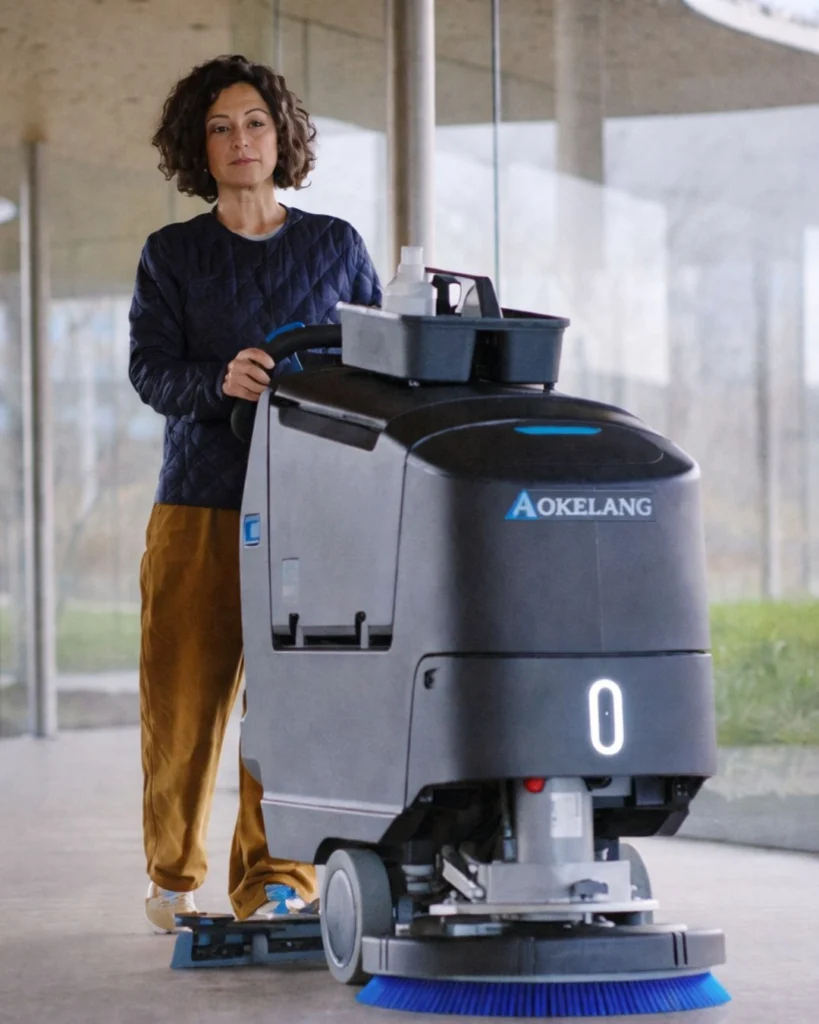
The key advantages in a hospital setting are manoeuvrability and noise. A compact walk-behind machine can navigate around beds, trolleys, and equipment without disruption. Benefits include superior manoeuvrability in tight and congested spaces, consistent and repeatable cleaning results every cycle, and significantly reduced water and chemical consumption.
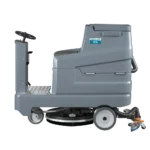
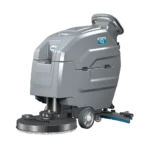
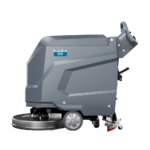
The Aokelang X2 Compact Walk-Behind Floor Scrubber is a Best Floor Scrubber for Hospitals and is purpose-built for exactly this environment narrow enough for clinical corridors, battery-powered for cord-free operation, and built to handle hospital-grade disinfectants without degrading internal components. For smaller patient areas and day clinics, the Aokelang T3Z Small Floor Scrubber is another strong option, offering a tight turning radius with reliable suction recovery.
For facilities that need slightly more coverage without jumping to a ride-on, the Aokelang D4Z Battery-Powered Walk-Behind Scrubber handles medium-sized clinical spaces efficiently on a single charge.
Ride-On Scrubbers Best for Large Hospital Wings, Lobbies & Car Parks
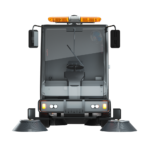
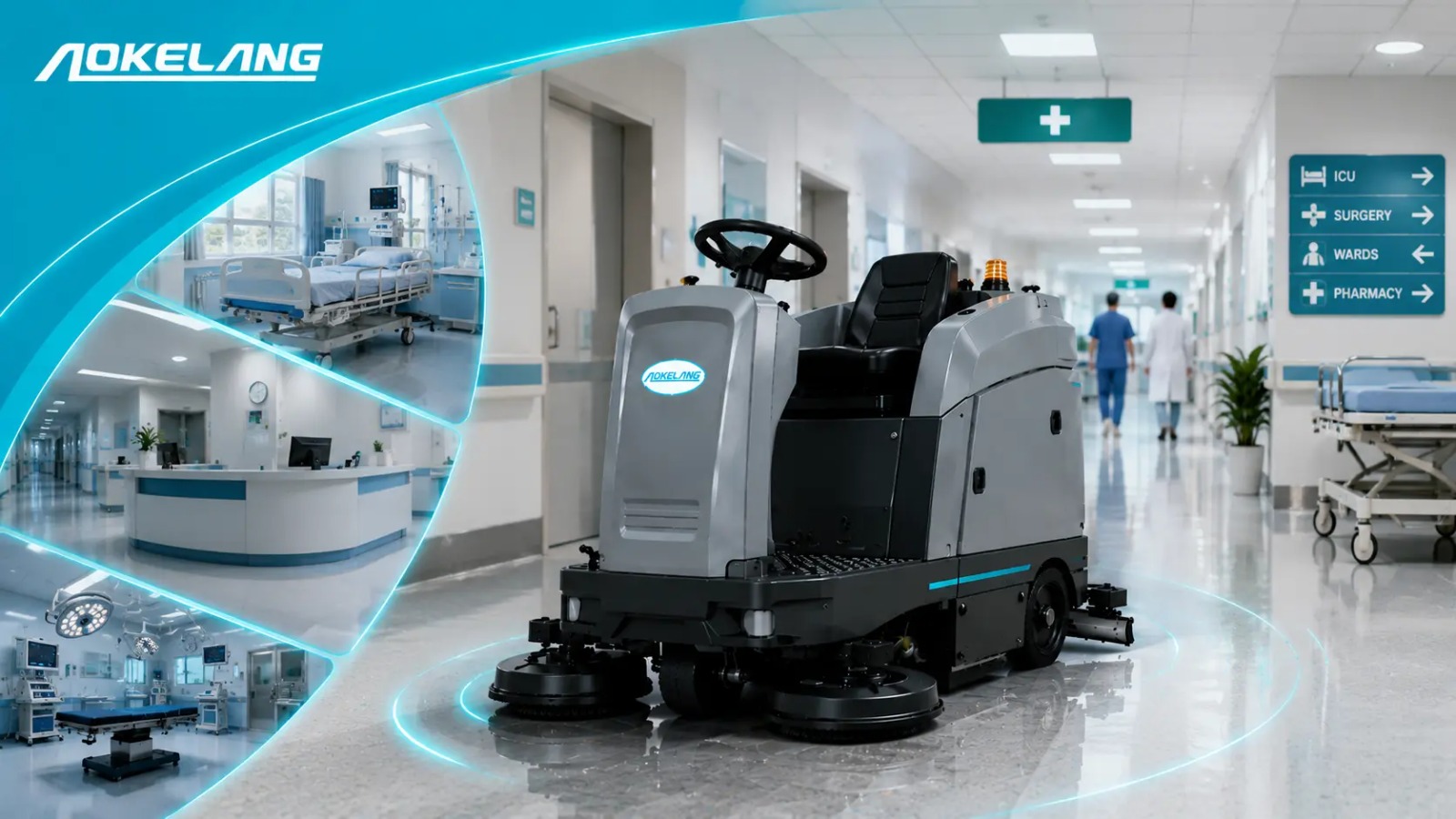
For hospitals with wide open public areas main lobbies, emergency department waiting areas, basement car parks, or large canteen floors a ride-on machine dramatically reduces cleaning time and operator fatigue.
A ride-on scrubber changes the workflow entirely. A walk-behind machine can clean large areas, but the operator still spends the entire shift walking and this matters in hospitals and big-box spaces where daily floor cleaning can consume hours.
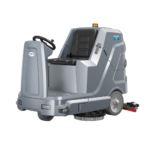
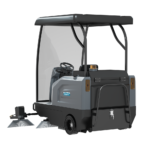
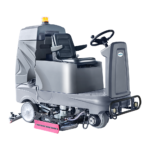
The Aokelang D6 Ride-On Floor Scrubber is Best Floor Scrubber for Hospitals and well-suited for mid-to-large hospital footprints, while the Aokelang D8 Commercial Ride-On Scrubber handles high-throughput areas where throughput and tank capacity matter more than compact size. Aokelang’s blog on whether a ride-on scrubber is worth it gives a clear breakdown of when the upgrade makes financial sense.
Aokelang Best Floor Scrubber for Hospitals Use: A Quick Comparison
| Model | Type | Best Hospital Use | Key Advantage |
| X2 | Compact Walk-Behind | Patient rooms, narrow corridors | Ultra-compact, battery-powered |
| T3Z | Small Walk-Behind | Day clinics, small wards | Tight turning radius |
| D4Z | Battery Walk-Behind | Mid-size wards, outpatient areas | Long battery run time |
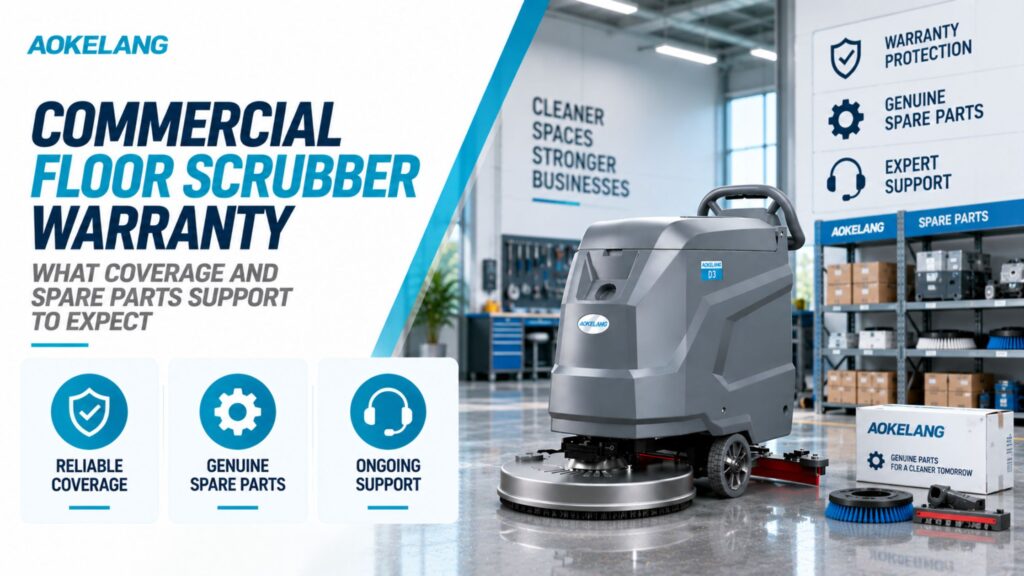
| D3 | Commercial Walk-Behind | High-traffic corridors | Robust build, consistent output |
| D6 | Ride-On | Large hospital wings, lobbies | Operator comfort, speed |
| D8 | Commercial Ride-On | Emergency, canteen, car park | High-capacity tanks |
You can browse the full Aokelang floor scrubber machine range to compare specs side by side.
Does Scrubbing Really Beat Mopping in a Hospital?
Hospital floor cleaning equipment scrubbers efficiently scrub and dry floors in a single pass and are suitable for hard floor surfaces such as concrete and tiles, ideal for corridors, lobbies, and operating theatres.
Mopping, by contrast, redistributes dirty water and leaves floors wet, a slip hazard and a bacterial risk in one. Aokelang’s own analysis on whether scrubbing is better than mopping makes this comparison in detail, and the answer for clinical environments is unambiguous: a scrubber isn’t an upgrade, it’s a necessity.
A walk-behind floor scrubber delivers floors that are dry and safe within seconds, which matters enormously in a ward where a wet floor can cause a patient to fall.
How Much Does a Hospital Floor Scrubber Cost?
The premium price tag for a high-spec commercial ride-on (starting around $15,000) might be steep for smaller operations, but the ROI through reduced labour and supply costs justifies the investment for large facilities.
Walk-behind machines sit at a much lower entry point. They deliver a lower capital cost than ride-on machines while overlapping in capability for small-to-medium facilities, and the labour savings alone typically up to 50% tend to recover the cost within months rather than years.
Aokelang’s post on how floor cleaning machines save your business money runs through the numbers if you want to build an internal business case before purchasing.
What Are the Most Important Maintenance Checks for Hospital Scrubbers?
A floor scrubber used daily in a hospital needs regular performance checks to maintain hygiene output. The squeegee blades, brushes, and recovery tanks all degrade with use and must be inspected on a set schedule. Aokelang’s guide on identifying common issues in cleaning machines and the importance of regular performance checks are practical starting points for building a maintenance routine.
The recovery tank deserves particular attention in a hospital setting contaminated water left sitting in the machine between shifts can become a bacterial source in its own right.
External references: CDC Guidelines on Environmental Infection Control in Health-Care Facilities | WHO Cleaning and Disinfection of Environmental Surfaces
Frequently Asked Questions
What type of floor scrubber is best for hospital patient rooms
A compact battery-powered walk-behind scrubber is the best fit. Patient rooms require quiet operation, cord-free mobility, and precise control in tight spaces. The Aokelang X2 and T3Z are both designed for exactly this environment. See the full hospital cleaning solutions page for recommended setups.
Can hospital floor scrubbers use disinfectants and chemical cleaning solutions?
Yes, but the machine must be rated for chemical compatibility. Check that the solution tank, seals, and brush deck materials are resistant to the disinfectants your facility uses. Most professional-grade machines like the Aokelang range are designed for this — always confirm with the supplier before purchase.
How often should a hospital floor be scrubbed?
High-traffic areas like emergency departments, corridors, and canteens typically require daily scrubbing. Patient wards and operating theatre surrounds may require multiple passes per day, depending on activity levels. The 7-step cleaning process is a useful framework for building a hospital cleaning schedule.
Walk-behind vs ride-on, which should a hospital buy first?
Most hospitals benefit from starting with a walk-behind for ward areas and adding a ride-on for public-facing large spaces. If the budget allows only one, the walk-behind covers a broader range of clinical environments. Read Aokelang’s walk-behind floor scrubber benefits guide for a detailed breakdown.
Are battery-powered scrubbers better than corded for hospitals?
Almost always yes. Battery-powered machines eliminate cord hazards in active wards, allow cleaning during occupied hours, and give operators full freedom of movement across large floor plans without managing power access points.