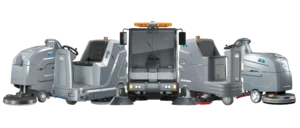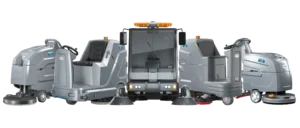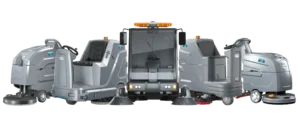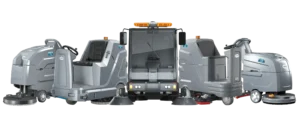
Floor Scrubber Brush vs Pad: Neither a brush nor a pad is universally better pads are gentler and best suited to smooth, even floors like vinyl composition tile (VCT) or sealed tile, while brushes are more durable and better suited to rough, textured, or heavily soiled floors like porous concrete, grout lines, and industrial surfaces. The right choice depends on your specific floor type, soil level, and the scrub deck your machine uses, not a fixed answer that applies to every facility.
This guide (Floor Scrubber Brush vs Pad)breaks down what pads and brushes are each built for, what the color and grit systems mean, how deck type limits your options, which Aokelang scrubber and brush/pad combination fits common floor types, and what it actually costs to run each option over time.
Table of Contents
What’s the Difference Between a Floor Scrubber Brush and a Pad?
- Pads attach to a pad driver and are categorized by color to indicate how aggressive they are, from gentle polishing pads to aggressive stripping pads. They’re generally the less expensive consumable option and work best on smooth, even floor surfaces, since they wear out quickly on rough or textured floors.
- Brushes are made from materials like nylon, polypropylene, or grit-embedded bristles, and are generally more durable and more abrasive than pads. They’re more versatile across floor types — including rough, uneven, or debris-heavy surfaces — and typically last longer than pads, though they cost more upfront per unit.
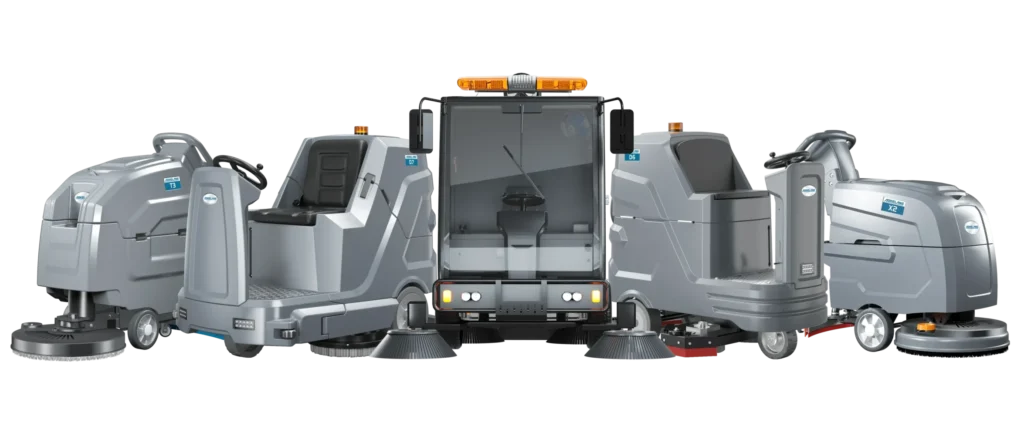
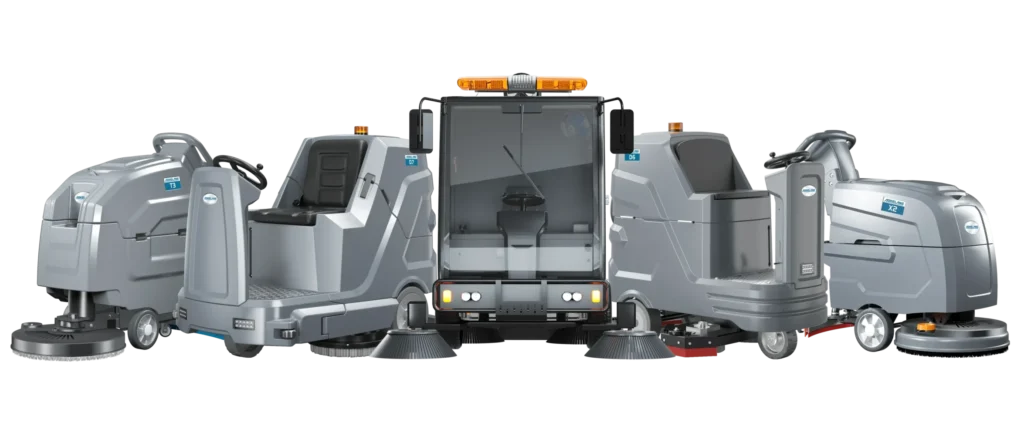
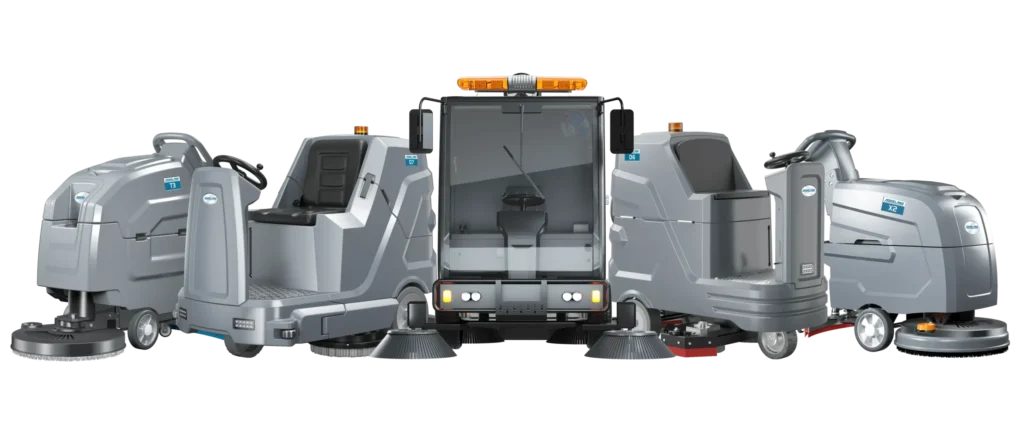
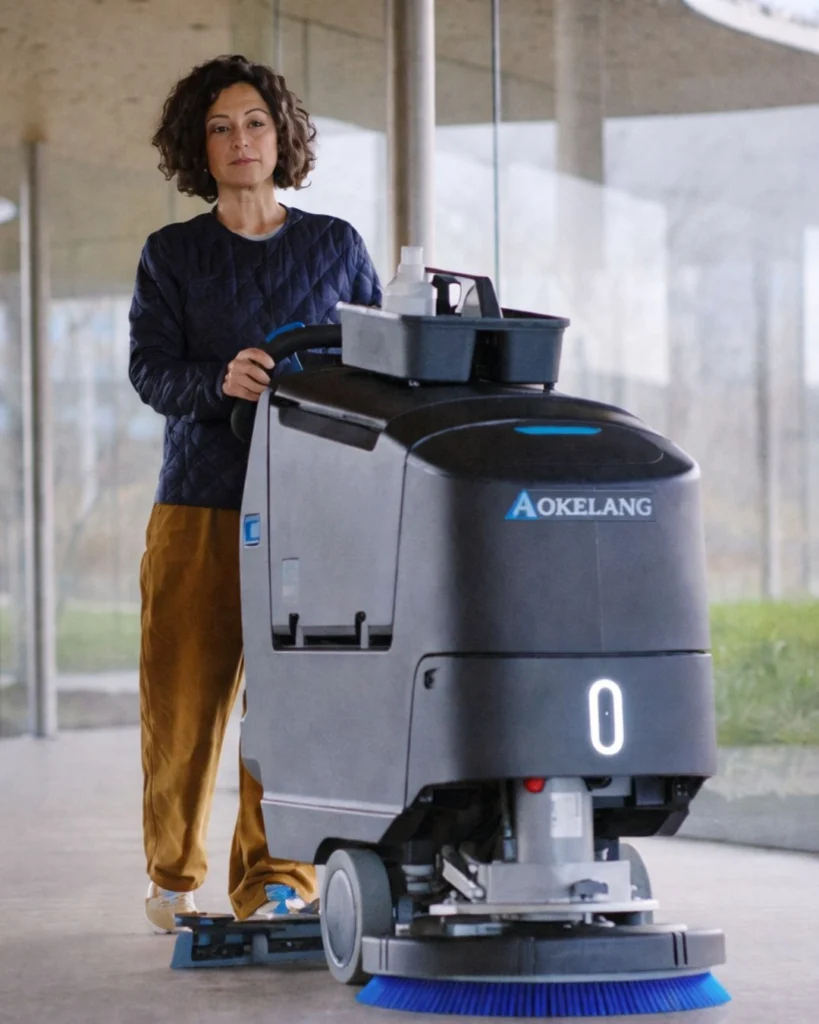
Both attach to the same brush motor on a walk-behind or ride-on scrubber, so the choice between them doesn’t usually require a different machine — it requires the right accessory for your floor, matched to a machine with enough brush motor power to use it effectively. Aokelang’s full floor scrubber range spans 400W to dual 300W brush motor configurations, which is the spec that determines how much scrubbing force is actually available to drive either a brush or a pad.
What Do the Pad Colors Mean?
Pad color coding is a widely used (though not perfectly universal) system for indicating aggressiveness, from gentlest to most aggressive:
| Pad Color | Aggressiveness | Typical Use |
| White | Least aggressive | High-gloss polishing and buffing |
| Red | Light | Light scrubbing and light polishing |
| Blue | Mid-range | Everyday scrubbing on smooth floors like vinyl, linoleum, and sealed tile |
| Green | Upper mid-range | Heavy-duty scrubbing and deep cleaning before recoating acrylic finish |
| Brown / Black | Most aggressive | Stripping old floor finish |
Since exact color meanings can vary slightly between manufacturers, it’s worth confirming the specific pad guide from whoever supplies your pads rather than assuming every brand follows the exact same scale — but the light-to-dark, gentle-to-aggressive logic holds broadly across the industry.
Also read – Floor Scrubber Sizing Guide
What Do Brush Materials and Grit Levels Mean?
Brushes are categorized by material and, for grit brushes, by how coarse the embedded abrasive is:
- Nylon brushes are soft and flexible, best for delicate or glossy floors that scratch easily.
- Polypropylene brushes are a versatile middle ground, durable enough for everyday light-to-medium soiling across a range of floor types.
- Grit-embedded brushes (commonly silicon carbide) come in light and heavy grit levels. Light grit suits resilient floors like terrazzo or epoxy that need real scrubbing power but can’t tolerate heavy abrasion; heavy grit is built for porous or unsealed concrete and heavy industrial soiling.
Unlike pads, brush color doesn’t reliably indicate aggressiveness across brands — always check the material and grit specification directly rather than judging a brush by its color.
Which Scrub Deck Types Use Brushes vs Pads?
Your machine’s scrub deck type determines whether you even have a choice between brushes and pads:
- Disc decks can use either brushes or pads, making them the most flexible option and the most common configuration on walk-behind scrubbers. They run at higher down-pressure and lower RPM, which makes them effective at removing scuffs on high-traffic smooth floors and even stripping floor finish, but they can clog if debris isn’t cleared before scrubbing since they have no debris pickup of their own.
- Cylindrical decks work only with brushes, not pads. Their rolling brushes turn at much higher RPM in opposing directions, letting them roll over small debris rather than clogging on it — useful for large, open floors where pre-sweeping every time isn’t practical.
- Oscillating/orbital decks use pads for aggressive mechanical scrubbing, often used for floor stripping and deep grout cleaning where high physical agitation matters more than chemical strength.
If your facility regularly has loose debris on the floor before cleaning, pairing your scrubber with a floor sweeper to clear debris first protects a disc-deck machine’s brushes or pads from premature wear, and is standard practice in facilities that run both machine types in sequence.
When Should You Use a Pad Instead of a Brush?
- Your floor is smooth and even VCT, sealed tile, linoleum, or polished concrete
- You’re polishing or maintaining an existing floor finish rather than scrubbing away heavy soil
- You want the lower-cost consumable option for routine, light-duty maintenance cleaning
- Your machine has a disc or oscillating deck that supports pad use
When Should You Use a Brush Instead of a Pad?
- Your floor is rough, textured, or uneven — porous concrete, grout lines, or aggregate finishes
- Your facility generates heavy debris or soil that would tear through a pad quickly
- You’re cleaning an industrial floor where longer consumable lifespan matters more than upfront cost
- Your machine has a cylindrical deck, which doesn’t support pads at all
Matching Your Floor Scrubber Model to the Right Brush or Pad
Brush motor power is what actually drives whichever brush or pad you choose, so it’s worth matching your machine’s motor strength to your floor’s soil level before deciding between the two. Here’s how Aokelang’s lineup lines up against common facility needs:
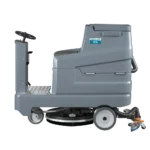
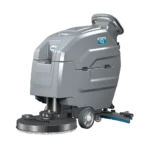
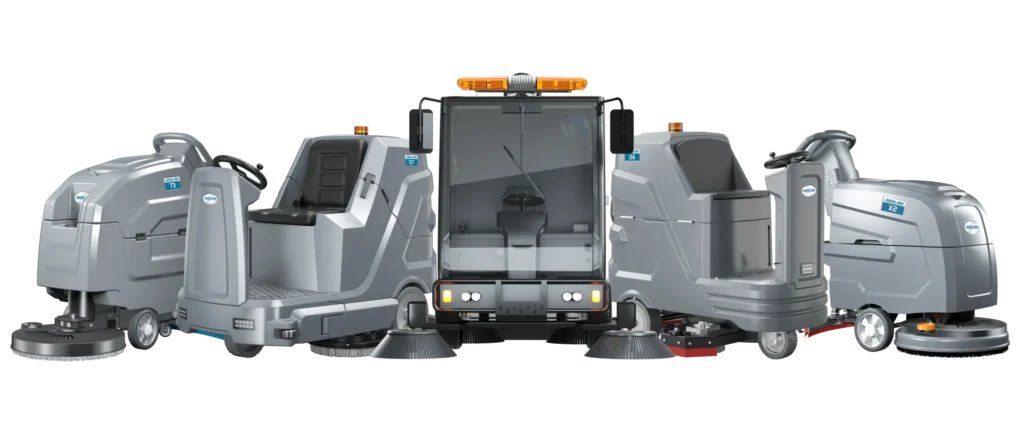
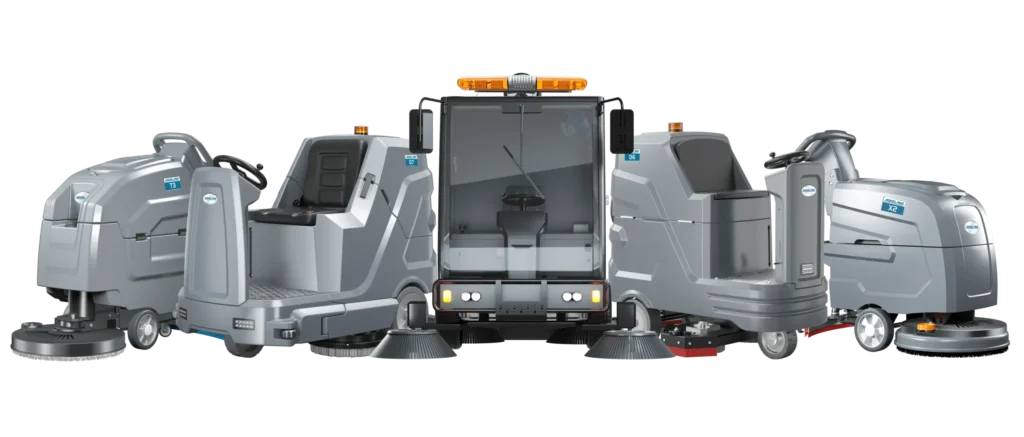
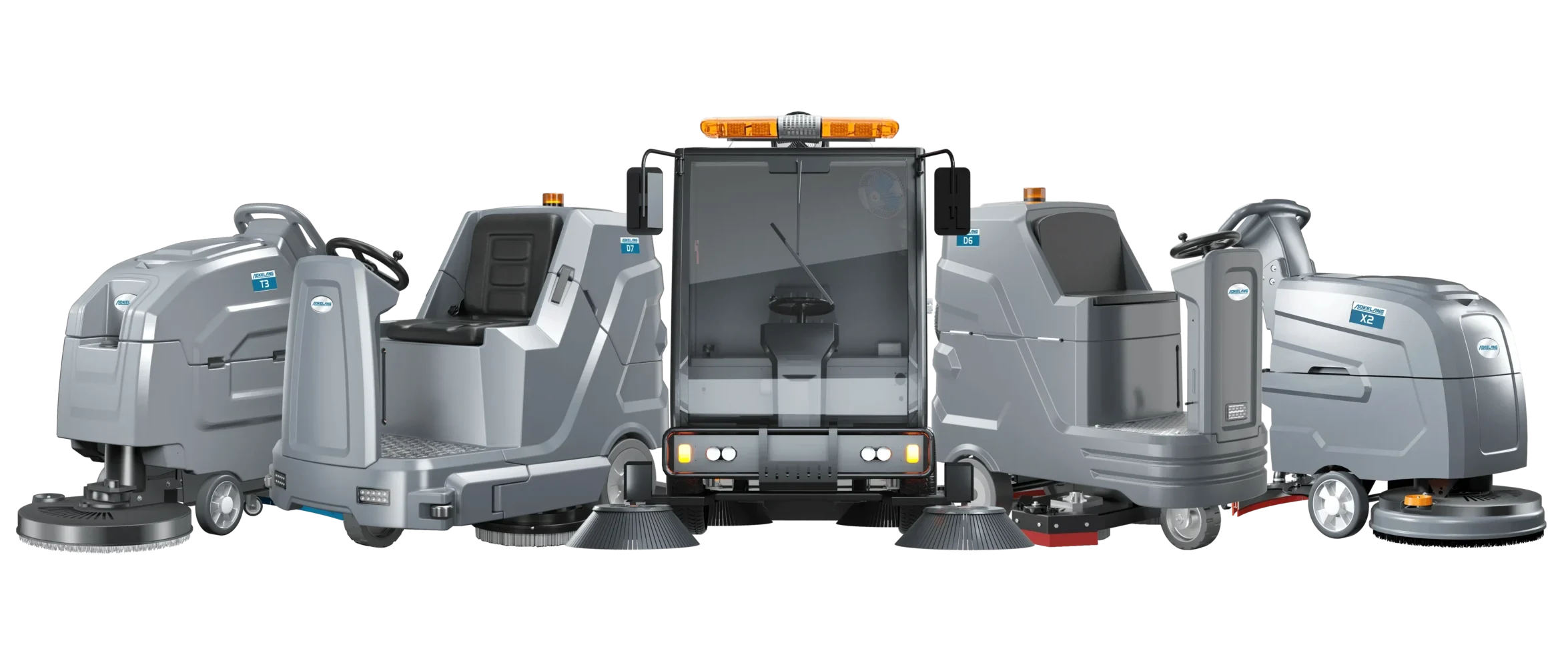
- Light commercial floors (offices, hotels, retail): The Aokelang D2 walk-behind floor scrubber runs a 400W brush motor, which is well matched to a polypropylene brush or a blue-to-red pad for routine maintenance cleaning on smooth commercial flooring.
- Mid-size commercial and light-industrial floors: The Aokelang X2 compact walk-behind scrubber steps up to a 550W brush motor, giving it enough force to run a green pad or a light-grit brush on tile, epoxy, terrazzo, marble, PVC, or concrete without struggling on moderate soiling.
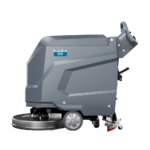
- Oil, grease, and industrial soiling: The Aokelang T3 industrial walk-behind floor scrubber also runs a 550W brush motor and is specifically built for removing oil stains and industrial debris, making it a strong match for a heavy-grit brush where a pad simply wouldn’t hold up.
- Larger walk-behind routes with heavier soil: The Aokelang D4 battery-operated walk-behind scrubber shares the T3’s 550W brush motor with a larger tank capacity, suited to running the same heavy-grit brush or green pad across more square footage per session before refilling.
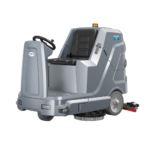
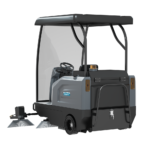
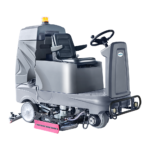
- Large facilities needing maximum scrubbing force: The Aokelang D6 ride-on floor scrubber uses dual 300W brush motors for deep, consistent scrubbing across tile, epoxy, terrazzo, marble, PVC, and concrete, giving it enough combined force to run more aggressive brushes across a wide 760mm path without losing scrubbing performance at speed.
If you’re not sure which brush motor strength your floor actually needs, it’s worth requesting a recommendation with your floor type and soil level, since matching motor power to consumable type has a bigger effect on cleaning results than brand or price alone.
How Do You Know When to Replace a Brush or Pad?
- Visible wear: if bristles or pad material show more than about 50% wear, fraying, or a smoothed-out texture, it’s time to replace.
- Dirt left behind after a pass: this usually signals the brush or pad is too worn, too gentle for the soil level, or the cleaning chemical isn’t matched to the job — check all three before assuming it’s a consumable problem.
- Scratching or gouging on the floor: stop immediately if you see this. It usually means the brush or pad is too aggressive for the floor, or more often, that the machine’s down-pressure setting is too high rather than the consumable itself being the wrong choice.
Also read – How to Choose a Commercial Floor Scrubber for Your Facility
What Does It Cost to Run Brushes vs Pads Over Time?
Pads cost less per unit but wear out faster under regular use, while brushes cost more upfront but typically last through many more cleaning cycles before replacement — which is why “cheaper” and “lower cost of ownership” aren’t always the same consumable. A facility running daily cleaning on a rough industrial floor with pads would burn through replacements far faster than the same facility using a properly matched brush, effectively erasing the pad’s lower unit price. The reverse is also true: using an expensive heavy-grit brush on a smooth, delicate floor wastes both the brush’s durability advantage and risks damaging the floor finish, since that job never called for an aggressive consumable in the first place. The right way to compare cost is per cleaning cycle over the consumable’s expected lifespan, not per unit at checkout — the same logic used to calculate total cost of ownership for the machine itself.
Brush vs Pad Comparison Table
| Factor | Brushes | Pads |
| Best floor types | Rough, textured, uneven, porous concrete | Smooth, even — VCT, sealed tile, linoleum |
| Relative cost | Higher upfront, longer lifespan | Lower upfront, shorter lifespan |
| Debris tolerance | Higher — cylindrical brushes can roll over small debris | Lower — can tear or clog on debris |
| Aggressiveness range | Nylon (gentle) to heavy grit (aggressive) | White (gentle) to black (most aggressive) |
| Compatible deck types | Disc and cylindrical | Disc and oscillating/orbital only |
| Maintenance | Rinse after each use; rotate weekly | Rinse after each use; flip regularly to extend life |
Brush vs Pad FAQs
Can I use a pad on a cylindrical deck machine?
No — cylindrical decks are designed exclusively for brushes. If you want the option to switch between brushes and pads, you’ll need a machine with a disc deck instead.
Do brushes last longer than pads?
Generally yes. Brushes are typically more durable and better suited to heavier, more frequent use, while pads wear out faster, especially on rougher floors they weren’t designed for.
What happens if I use the wrong brush or pad for my floor?
Using too aggressive a brush or pad on a delicate floor can cause visible scratching or dulling of the finish, while using one that’s too gentle for a heavily soiled floor leaves dirt behind after cleaning. Both scenarios usually show up quickly, so it’s worth adjusting after your first few cleaning passes rather than continuing with a mismatched consumable.
Is a more expensive brush always better?
Not necessarily — the right choice depends on matching material and grit to your specific floor and soil level, not price. An expensive heavy-grit brush used on a delicate floor will cause more damage than a cheaper, correctly matched nylon brush.
How often should brushes and pads be cleaned or rotated?
Rinsing after each use prevents dirt buildup from affecting performance, and rotating brushes or flipping pads on a regular schedule (commonly weekly) helps extend their usable life before replacement is needed.