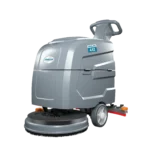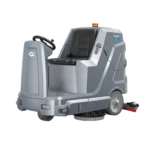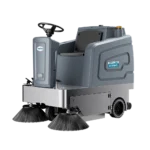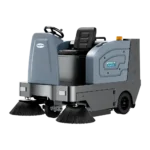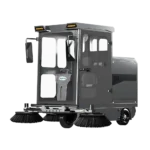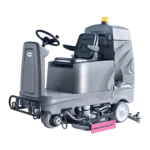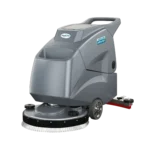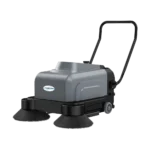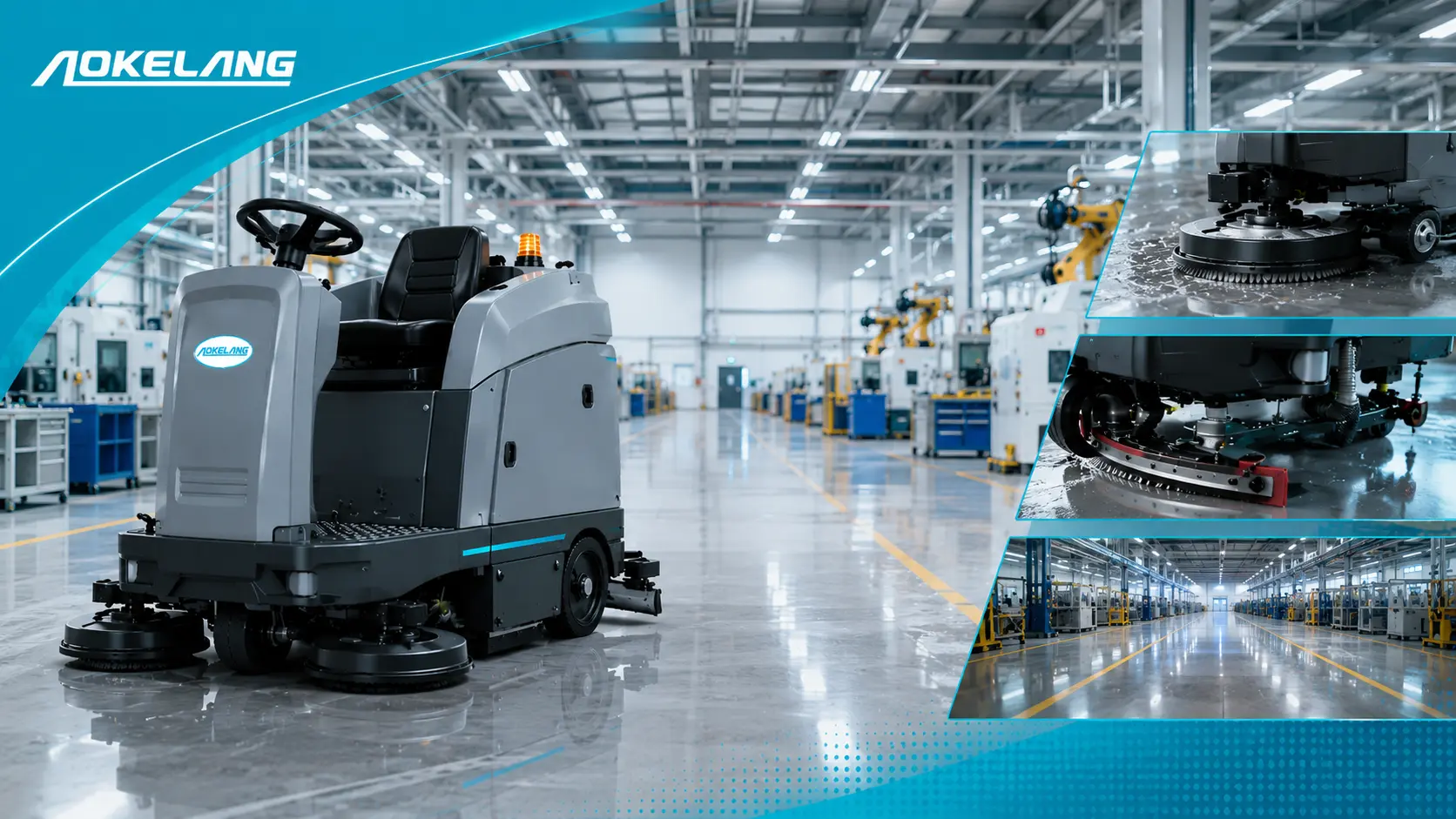
The Best Floor Scrubber for Manufacturing Facilities are industrial-grade units built to withstand harsh, continuous-duty environments while removing heavy grease, oils, and debris. Top-tier options include the Aokelang T3 or D8 for high-capacity scrubbing.
Table of Contents
Why Manufacturing Floors Are the Hardest to Keep Clean
Manufacturing facilities combine every floor cleaning challenge at once. Dust, oil, and debris accumulate rapidly across vast floors, creating safety risks and compliance issues that demand swift, thorough cleaning solutions every shift.
The contamination types are diverse and stubborn. Daily forklift traffic spreads metal chips, wood dust, and packaging scraps, creating slip hazards and contamination risks across surfaces that regularly exceed 10,000 m². On top of physical debris, grease and oil from machinery create a film that ordinary cleaning redistributes rather than removes.
Then there’s the regulatory dimension. Under OSHA standard 29 CFR 1910.22, workroom floors must be kept clean and dry, and employers must account for spills, corrosion, and other hazards across all walking-working surfaces. Over 25% of all injuries in the industrial sector happen because of slips, trips, or falls most trace back to poor cleaning or missing protocols. A floor scrubber in a manufacturing facility is not just cleaning equipment. It’s part of the safety infrastructure.
What Makes a Floor Scrubber “Industrial Grade”?
Not every commercial floor scrubber is built for manufacturing. The demands are fundamentally different from a retail store or office building.
Industrial-grade auto scrubbers are designed for heavy-duty use, featuring powerful motors, large tanks, and durable squeegees. They handle tough grime, oil, and dust typically found in manufacturing plants and distribution centers.
Specifically, a machine suitable for a manufacturing environment needs:
- High brush pressure — to penetrate embedded grease and cut through residue that builds up on concrete over multiple shifts
- Cylindrical brush capability — to collect metal shavings and debris while scrubbing, rather than pushing them around
- Chemical compatibility — seals, tanks, and components rated for industrial degreasers and cleaning agents
- Large tank capacity — to cover significant floor area per fill cycle without disrupting production
- Robust build quality — steel chassis and industrial-grade components that hold up to daily use in a harsh environment
For greasy industrial floors, a silicone squeegee outperforms the standard gum rubber squeegee, which doesn’t perform well against oils. Pre-treating greasy spots with a degreaser before running the scrubber also significantly improves cleaning results. This is a practical detail most manufacturers’ literature doesn’t mention real-world operators recommend it consistently.
Walk-Behind vs Ride-On: What Suits a Manufacturing Floor?
The answer depends on floor area and layout and most manufacturing facilities need both.
Walk-Behind Scrubbers for Tighter Production Zones
Production lines, machine zones, and maintenance areas typically have obstacles, narrow aisles, and tight turning requirements. A walk-behind scrubber with good manoeuvrability is essential here. Many models are designed to clean textured concrete, safety flooring, and uneven industrial surfaces, with adjustable brush types and increased down pressure to maintain contact with the floor across challenging surfaces.
The Aokelang T3 Industrial Walk-Behind Floor Scrubber is built precisely for this application heavy-duty construction, strong brush pressure, and designed to handle the type of embedded industrial soil that lighter commercial machines struggle with. The Aokelang T3Z Small Floor Scrubber covers tighter zones and maintenance corridors where a full-size industrial machine won’t fit.
For battery-powered industrial walk-behind operation, the Aokelang D4Z and Aokelang D3 Commercial Walk-Behind handle mid-size production areas without the trailing cord that creates hazards in active manufacturing zones.
Ride-On Scrubbers for Large Production Halls and Warehousing Areas
Manufacturing facilities typically include large open sections assembly halls, raw materials storage, finished goods staging, and loading dock areas. These spaces require the productivity of a ride-on machine. Ride-on scrubbers are best suited for warehouses, distribution centers, and manufacturing facilities exceeding 50,000 sq ft though size makes them less suitable for facilities with narrow aisles or many obstacles.
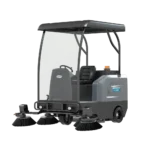
The Aokelang D7 Industrial Ride-On Scrubber is the flagship choice for heavy industrial environments — built for sustained multi-shift operation across large concrete floor areas. The Aokelang D8 Commercial Ride-On Scrubber and Aokelang DX6 Ride-On Floor Cleaning Machine cover high-volume applications where tank capacity and cleaning width are the primary productivity drivers. For the full case on ride-on investment, Aokelang’s post on whether a ride-on scrubber is worth it runs through the decision criteria.
Aokelang Industrial Scrubbers at a Glance
| Zone | Floor Type | Recommended Model | Key Strength |
| Production line areas | Concrete, epoxy | Aokelang T3 | Industrial build, high brush pressure |
| Tight machine zones | Concrete, anti-slip | Aokelang T3Z | Compact, strong on uneven surfaces |
| Mid-size production areas | Sealed concrete, VCT | Aokelang D4Z | Battery-powered, cord-free in active zones |
| Large assembly halls | Concrete | Aokelang D7 | Heavy-duty ride-on, multi-shift capable |
| Warehousing / staging areas | Concrete, epoxy | Aokelang D8 or DX6 | High tank capacity, large cleaning width |
Do You Need a Scrubber and a Sweeper in a Manufacturing Facility?
Almost always yes and the order matters.
If you have a lot of dust and debris, the floor really needs to be swept first. Scrubbers are not made to clean up a lot of debris. Running a scrubber over heavy industrial debris metal shavings, packaging waste, large particulates clogs the machine, accelerates brush and squeegee wear, and produces poor cleaning results. The Garage Journal
Warehouses and factories accumulate heavy debris such as packaging materials, cardboard, and general waste, which pose significant tripping hazards and can slow down operations. A sweeper handles this first pass efficiently, leaving the floor ready for the scrubber to do what it does best: deep-clean and dry the surface.
Aokelang’s industrial floor sweeper range is designed to complement their scrubber lineup for exactly this workflow. The Aokelang D2000 Factory Floor Sweeper and Aokelang D2300 Heavy-Duty Industrial Sweeper are purpose-built for manufacturing debris loads. For very large production halls, the Aokelang D2400 Ride-On Industrial Sweeper provides the coverage speed needed for facilities running multiple shifts.
How Does Scrubbing Reduce Costs in a Manufacturing Operation?
The investment case for a floor scrubber in manufacturing goes well beyond clean floors. Professional floor cleaning machines save businesses money by dramatically cutting labour costs, reducing chemical and water consumption, and extending floor lifespan.
In a manufacturing context, there are additional financial arguments. Clean, dry, compliant floors reduce slip-and-fall incidents which carry workers’ compensation costs, production downtime, and potential OSHA penalties. A single workplace injury can cost far more than the machine that prevented it. In 2026, buyers are more focused on long-term value rather than just upfront cost calculating labour savings, water efficiency, and maintenance costs before choosing the right commercial floor scrubber.
For a detailed breakdown of the financial case, Aokelang’s analysis of how floor cleaning machines save your business money provides a practical framework for building an internal ROI calculation before purchase.
Also read – Best Floor Scrubber for Schools and Universities
Cleaning Schedule Considerations for Multi-Shift Manufacturing
Manufacturing facilities running double or triple shifts have a particular challenge: when do you clean? The machine needs sufficient battery runtime to cover the facility between production windows, or the operation needs to support mid-shift cleaning without disrupting line output.
In large warehouses and factories, minimising downtime is critical larger tank capacity reduces the frequency of stops for refilling and emptying. For multi-shift operations, lithium-ion battery machines are strongly preferred their faster charge times (2–3 hours vs 8–10 hours for lead-acid) and support for opportunity charging between shifts make them operationally practical in ways that lead-acid machines simply are not. See Aokelang’s guide on features to look for in a professional floor cleaning machine for a full breakdown of battery and tank considerations by facility size.
Frequently Asked Question
Can a floor scrubber handle oil and grease on factory concrete?
Yes, with the right configuration. Many industrial auto scrubbers are equipped with high-torque brushes and can use industrial degreasing solutions to safely remove oil, grease, and chemical residues from concrete and epoxy-coated floors. Pre-treating heavy grease spots before each scrubbing pass significantly improves results and reduces brush wear.
What floor types do industrial floor scrubbers work on in a manufacturing plant?
The most common surfaces — sealed concrete, epoxy-coated floors, anti-slip industrial tile, and VCT — are all handled well by industrial-grade scrubbers. Concrete floors need strong brush pressure and reliable water recovery, and these surfaces are common in warehouses, factories, and industrial environments where dirt and residue build up quickly.
How often should manufacturing floors be scrubbed?
High-traffic production areas and any zone where machinery leaks oil or coolant should be scrubbed daily. Warehousing and storage areas with lighter soil loads can typically be maintained on a 2–3 times per week schedule. Any spill involving oil, chemicals, or fluid should be addressed immediately — not at the next scheduled clean.
Does a manufacturing facility need both a sweeper and a scrubber?
In most cases, yes. Sweep first to remove loose debris and particulates, then scrub to deep-clean and dry the surface. Running a scrubber over unswept floors reduces its effectiveness, damages consumables faster, and produces inferior results. The two machines work as a system.
What is the OSHA requirement for floor cleanliness in a manufacturing facility?
Under OSHA standard 29 CFR 1910.22, workroom floors must be kept clean and dry. All walking-working surfaces must be inspected regularly and maintained in safe, working condition — free from spills, corrosion, loose objects, and other hazards. A documented, consistent floor cleaning routine using capable equipment is the most practical way to demonstrate and maintain compliance.