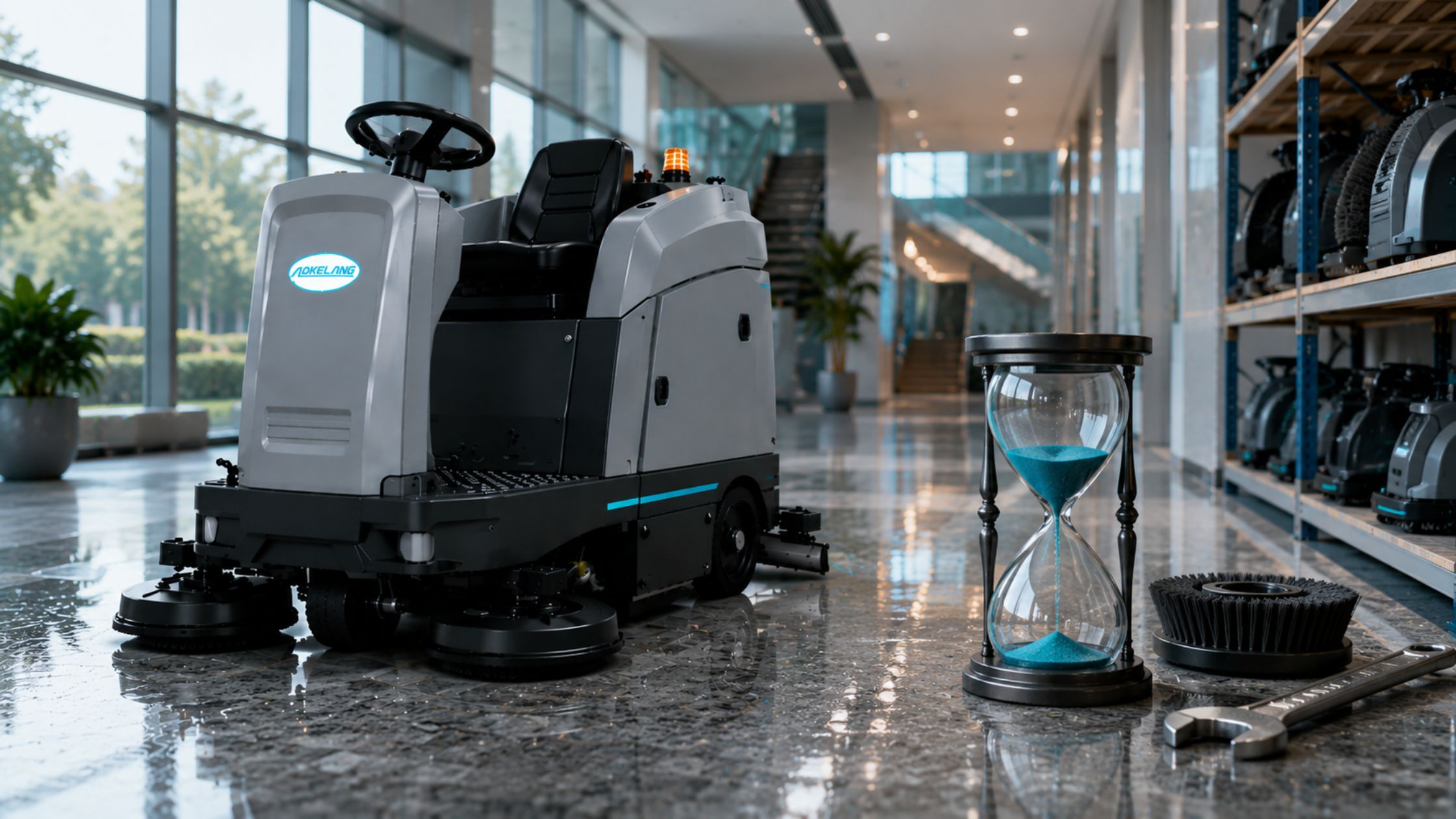
How long should a commercial floor scrubber last? A well-maintained commercial floor scrubber should last between 5 and 10 years. That’s the honest answer but the range matters as much as the average. The same machine can last 4 years in one facility and 10 in another, and the difference comes down almost entirely to maintenance, environment, and operator behaviour rather than the machine itself. Here’s what actually determines how long yours will last.
Table of Contents
How Long Should a Commercial Floor Scrubber Last?
Life span of a floor scrubber is on an average, a well-maintained floor scrubber can last anywhere between 5 to 10 years. High-end industrial models may last even longer if properly cared for, while lower-quality or heavily used machines may require replacement sooner.
The variation within that range isn’t random. Frequency of use, floor type, cleaning environment, and maintenance practices can significantly shorten or extend lifespan and poorly maintained cleaning equipment can reduce operational efficiency by up to 30%.
In practical terms: a scrubber used twice a week in a small office, stored correctly, and maintained consistently will easily reach the upper end of that range. A machine hammered daily across a manufacturing facility, stored in a boiler room, and rarely serviced may struggle to reach five years.

What Affects a Floor Scrubber’s Lifespan the Most?
1. Frequency of Use and Workload
This is the biggest single variable. Machines used daily in large commercial spaces will naturally wear out faster than those used periodically in smaller areas. A hospital scrubber running two shifts a day accumulates far more operational hours than a school scrubber used three times a week — and wear is measured in hours, not years.
For high-frequency operations like shopping centres, manufacturing plants, and airports, factor an aggressive maintenance schedule and earlier consumable replacement into the total cost of ownership from day one.
2. Floor Surface Type
Rough concrete causes significantly more wear on brushes and pads than smooth vinyl or tile. Industrial facilities with bare concrete floors will see brush and squeegee consumables wear faster, and the mechanical stress on the machine’s chassis and brush deck is higher. Machines used exclusively on polished tile or sealed concrete consistently outlast those ground across abrasive industrial surfaces.
3. Maintenance Regularity
Predictive maintenance can make scrubbers last anywhere from two to three extra years, and following a preventative maintenance schedule can reduce surprise breakdowns by 37%, extend scrubber life by two to three years, and save facility managers potentially $1,200 annually in repairs.
Nearly seven out of ten early failures with scrubbers come down to simple problems missed during routine checks — most breakdowns happen because something small gets ignored until it becomes a big problem. This is the clearest data point in the industry on scrubber longevity: the machines that fail early almost always do so due to neglected maintenance, not poor build quality.
4. Operator Training and Handling
Improper use is one of the leading causes of premature machine failure. Running a scrubber over heavy debris it wasn’t designed to collect, using the wrong chemical concentration, or ignoring warning indicators puts mechanical stress on components that compounds over time. Proper operator training at the point of purchase pays a lifelong dividend that most buyers don’t quantify but consistently benefit from. Aokelang’s guide on how to identify common issues in cleaning machines is a practical resource for building an operator awareness culture from the start.
5. Storage Conditions
Keep the floor scrubber in a dry, well-ventilated area when not in use and avoid exposing it to extreme temperatures or moisture. One specific risk worth knowing: storing a battery-powered scrubber in a boiler room prevents the battery from cooling after use, which leads to premature battery wear and replacement. This is a simple mistake that costs facilities the price of a new battery pack.
Also read – Best Floor Scrubber for Shopping Malls
How Long Do the Consumable Components Last?
Understanding machine lifespan means separating the machine chassis from the parts that wear out on a predictable schedule. These are not machine failures they’re maintenance costs built into the operational budget from day one.
| Component | Typical Replacement Interval | Key Indicator |
| Brush / scrubbing pad | Every 40–60 operational hours | Bristle height reduced, cleaning output drops |
| Squeegee blade | Every 3–6 months | Streaking, water left on floor |
| Lead-acid battery | Every 2–3 years | Reduced runtime, slower recovery |
| Lithium-ion battery | Every 5–7 years | Significant runtime drop from original |
| Solution pump / motor | 7–10 years (with maintenance) | Reduced water flow, unusual noise |
Brushes and pads should be inspected daily and replaced every 40–60 operational hours in high-traffic areas, or when bristle height reduces by a quarter inch. Catching squeegee wear early is equally important a degraded squeegee leaves wet floors, which creates slip hazards and makes the cleaning result look poor regardless of how well the machine scrubs.
Aokelang’s resource on the importance of regular performance checks and their guide on identifying common issues in cleaning machines both cover the component-level checks that extend overall machine life significantly.
What Are the Signs a Floor Scrubber Is Nearing the End of Its Life?
Replacing a machine at the right time avoids both premature write-off and the operational risk of running a machine past its useful life. There are clear indicators to watch for:
Decreased cleaning performance — the machine no longer produces the results it once did, leaving residue or wet patches despite normal brush and squeegee condition. This often points to motor or pump degradation rather than consumable wear.
Frequent breakdowns — when a machine requires constant repairs, the cumulative cost and operational disruption begin to outweigh the value of keeping it running. If annual repair costs exceed 25% of a new machine’s price, replacement is more cost-effective.
Excessive noise — if the noise level increases significantly when running especially to twice the original level it indicates that internal bearings, motors, or shock absorber structures have worn out. In noise-sensitive environments like hospitals and schools, this also becomes a practical operational problem.
Battery failure patterns — the battery system has a typical lifespan of 3–4 years for lead-acid configurations, and long-term overcharging or undercharging will shorten that further. When a battery no longer holds adequate charge for the cleaning route, mid-shift downtime becomes a regular occurrence.
Parts availability — older machines can reach a point where replacement parts are discontinued or require long lead times. This is often the quiet signal that a machine has aged beyond economical support.
How to Maximise Your Floor Scrubber’s Lifespan
The single most impactful thing a facility can do is build a daily and scheduled maintenance routine and actually follow it. Daily maintenance includes wiping the scrubber down and emptying the solution and recovery tanks, as well as knowing who to contact if more intensive maintenance or repair is required.
For battery maintenance specifically: for lead-acid batteries, check electrolytes and clean terminals monthly; for lithium-ion models, keep charges within 20–80% to extend cycle life.
Aokelang’s full benefits of a floor scrubber machine guide is a useful complement here understanding what the machine is supposed to deliver at full performance makes it easier to identify when performance is declining before it becomes a breakdown.
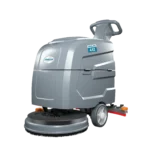
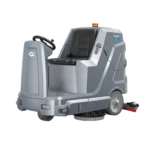
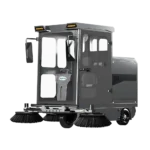
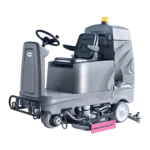
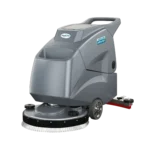
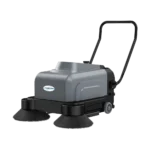
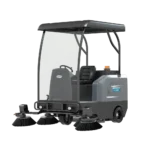
For facilities choosing between walk-behind and ride-on options, the Aokelang walk-behind floor scrubber range covers options from the compact Aokelang X2 and T3Z through to the industrial T3 and D4Z — each built for sustained commercial use with accessible maintenance as a design priority. For high-volume operations, the Aokelang D7 and D8 ride-on scrubbers are built to the industrial standard needed for a long operational life in demanding environments.
Does a More Expensive Machine Last Longer?
Not automatically but build quality is a real factor. Floor scrubbers from reputable manufacturers using quality materials and superior construction methods maintain their operational lifespan, and purchasing from trustworthy manufacturers reduces future maintenance expenses.
The more useful question is the total cost of ownership across the machine’s life, not purchase price alone. A machine that costs more upfront but lasts 9 years with predictable maintenance costs typically beats a cheaper machine that lasts 4 years and requires frequent unplanned repairs. Aokelang’s post on how floor cleaning machines save your business money runs through this calculation in practical terms.
External references: ISSA — Cleaning Industry Maintenance and Equipment Standards | OSHA Walking-Working Surfaces Standard 29 CFR 1910.22
Frequently Asked Questions
How long does a commercial floor scrubber battery last?
Battery life varies but typically lasts 3–5 years with proper care and charging habits. Lead-acid batteries sit at the lower end of that range under daily use; lithium-ion batteries typically reach 5–7 years. The single most important battery care practice is storing the machine in a cool, ventilated area after use — never in a boiler room or hot storage space.
How do I know when to replace brushes on a floor scrubber?
Brushes should be inspected every 40–50 hours of use and replaced when the bristles are excessively worn. The practical indicator is simple: if the machine is running normally but cleaning results have dropped, check the brushes before looking at anything else. Worn brushes are the most common reason for declining cleaning output in a machine that is otherwise functioning correctly.
Is it worth repairing an old floor scrubber or should I replace it?
The rule of thumb most facility managers use: if annual repair costs exceed 25% of a new machine’s price, replacement is more cost-effective. Also factor in parts availability — a machine whose components are discontinued becomes difficult and expensive to support regardless of the chassis condition.
What shortens a floor scrubber’s lifespan fastest?
Lack of regular maintenance, improper storage, and using the machine in harsh environments are the main culprits. Frequent exposure to chemicals, rough handling, and failing to replace worn components like brushes and squeegee blades leads to faster deterioration. Skipping the post-use tank rinse is also consistently cited — contaminated water left sitting in the recovery tank overnight is one of the most damaging habits for long-term machine health.
Does a walk-behind floor scrubber last longer than a ride-on?
Not inherently — both formats can reach the 5–10 year range with proper care. The relevant difference is that ride-on machines have more complex mechanical and electrical systems, which means more components to maintain and more surface area for issues to develop. Walk-behind machines are simpler mechanically, which can make maintenance easier and fault diagnosis more straightforward for in-house staff.