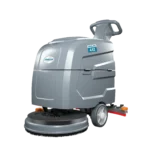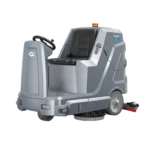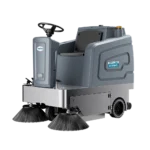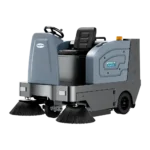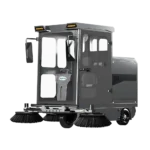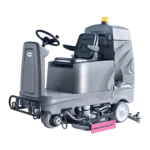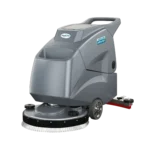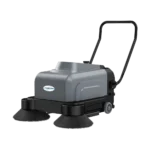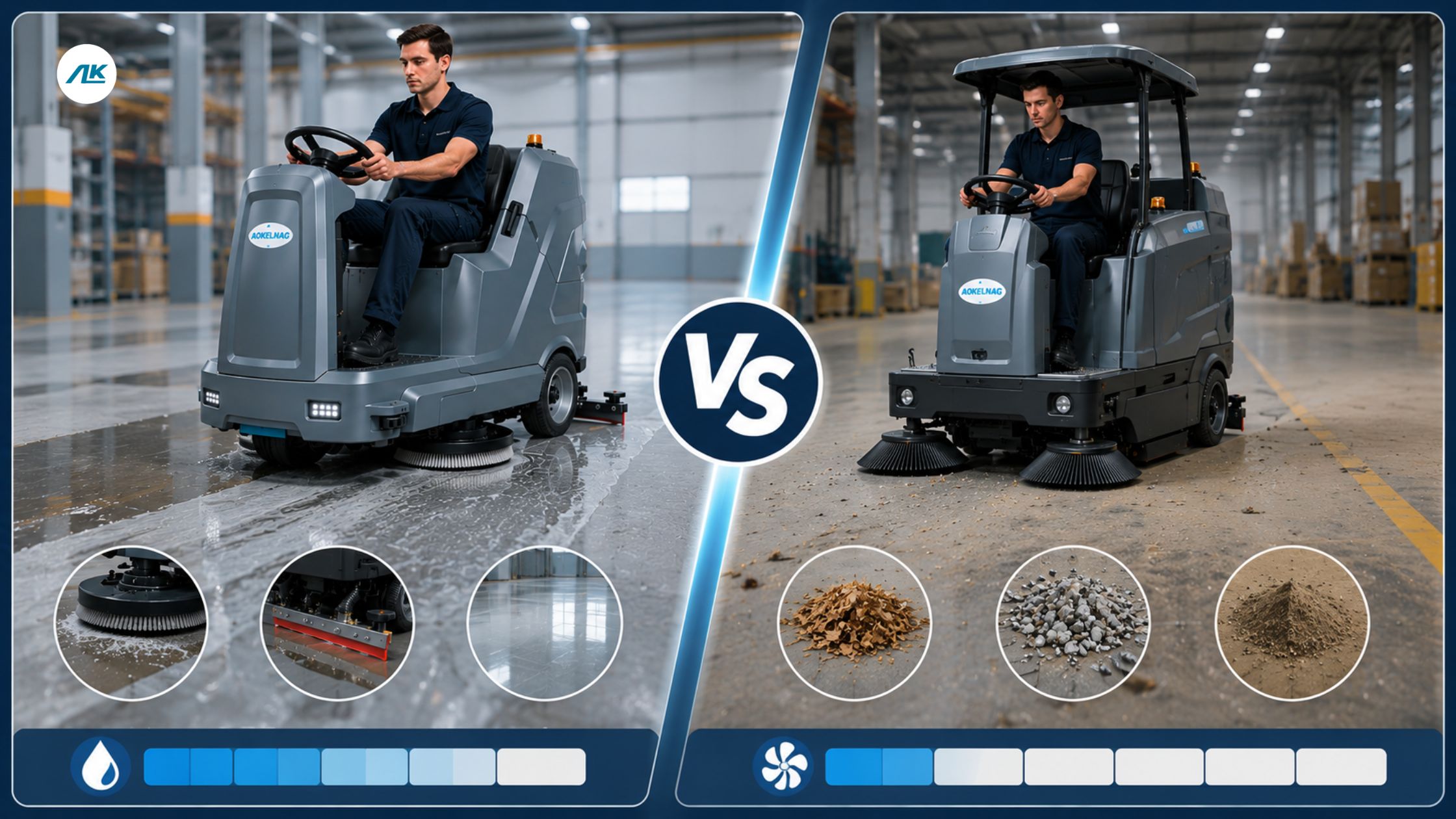
While talking about the Floor Scrubber vs Floor Sweeper, we get this question at least once a day. A warehouse manager calls and says, “I need one of those floor cleaning machines.” We ask what kind. They say, “The one who cleans the floor.”
Helpful.
Here’s the thing: a floor scrubber and a floor sweeper do completely different jobs. Mixing them up is like buying a lawn mower when you needed a power washer, technically, both are “yard machines,” but one sprays water and the other cuts grass. Not interchangeable.
About 64% of commercial facilities are now moving from manual cleaning to machines. If you’re one of them, you need to know which machine actually solves your problem before you spend $3,000–$20,000 on the wrong one. And also think about the Floor Scrubber Maintenance.
SOURCE: 64% shifting to mechanized — Global Growth Insights 2026
This article gives you the answer in plain language. No jargon walls, no 47-page PDF. Just a clear framework so you can figure out what you need in about five minutes.
Table of Contents
Also read – floor scrubber
1. The 30-Second Answer
If you’re in a rush:
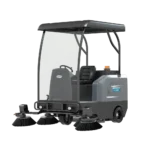
- Floor sweeper = picks up dry stuff. Dust, dirt, sand, packaging scraps, metal shavings. No water involved. Think of it as a big, motorized broom with a dustpan built in.
- Floor scrubber = wet-cleans. Applies water and detergent, scrubs with rotating brushes, then vacuums up the dirty water. Removes grease, oil stains, grime, sticky residue, and bacteria. Leaves the floor clean and nearly dry.
That’s the core difference in Floor Scrubber vs Floor Sweeper. One is dry, one is wet. One handles loose debris, the other handles embedded filth.
If your floor has grease, oil, food spills, tire marks, or any kind of sticky grime, you need a scrubber. If your floor just has dust, wood chips, or dry dirt, a sweeper is enough. If your floor has both (and most factories and warehouses do), keep reading because this is where it gets interesting.
The best of the best floor sweepers –
2. How Each Machine Actually Works – Floor Scrubber vs Floor Sweeper
Floor Sweeper: The Basics
A floor sweeper has one or two rotating side brushes that flick debris toward the center, where a main brush roller sweeps it into a built-in hopper (basically a dustbin). Some models have a filter system to manage fine dust.
No water. No detergent. No squeegee. No vacuum for liquid.
What sweepers are great at:
- Warehouse dust on concrete — the kind that accumulates daily from forklift traffic, cardboard, and pallet handling.
- Metal shavings and small parts on factory floors — cylindrical brush sweepers with heavy-duty hoppers eat this up.
- Parking lot debris — sand, gravel, leaves, litter. Outdoor ride-on sweepers cover huge areas fast.
- Dry construction debris — sawdust, drywall dust, packaging material.
What sweepers can’t do:
- Remove grease, oil, or sticky residue. A sweeper will roll right over an oil stain and do nothing.
- Sanitize or disinfect. No water means no chemical cleaning.
- Leave a “clean” floor in any medical, food-service, or hygiene-sensitive environment.
Mus read – Walk-Behind vs Ride-On Floor Scrubber

Floor Scrubber: The Basics
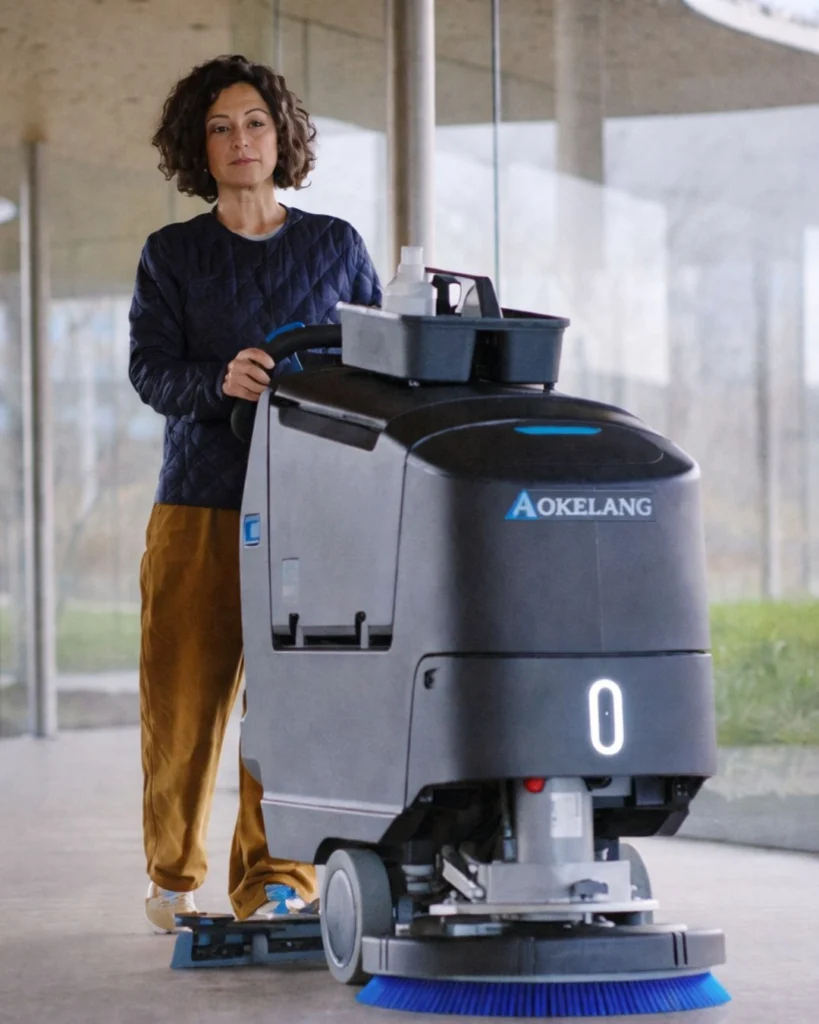
A floor scrubber carries two tanks — one for clean solution (water + detergent) and one for recovery (dirty water). It lays down the cleaning solution, scrubs the floor with rotating brushes or pads, then uses a rear squeegee and vacuum motor to suck up all the dirty water. One pass, and the floor is clean and almost dry.
What scrubbers are great at:
- Grease, oil, and chemical residue on factory and food-processing floors.
- Tire marks and rubber scuffs in warehouses and loading docks.
- Food spills and sticky buildup in mall food courts and restaurant kitchens.
- Bacteria and pathogen control in hospitals, clinics, and schools.
- General grime on any hard floor that mopping doesn’t properly remove.
What scrubbers aren’t ideal for:
- Large amounts of dry, loose debris. If you run a scrubber over a pile of sawdust or metal shavings, the debris clogs the squeegee and recovery system. You need to sweep first, then scrub.
- Outdoor surfaces (most models). Scrubbers are designed for indoor hard floors. Outdoor areas need sweepers.
Read our complete floor scrubber guide for a deep dive on types and sizing → Ultimate Guide to Floor Scrubbers
3. Side-by-Side Comparison of Floor Scrubber vs Floor Sweeper
| Feature | Floor Sweeper | Floor Scrubber |
| Cleaning method | Dry — brushes + hopper | Wet — water + detergent + brushes + vacuum |
| Removes | Dust, dirt, debris, shavings, scraps | Grease, oil, grime, stains, bacteria |
| Uses water? | No | Yes, solution tank + recovery tank |
| Floor left after | Warehouses, parking lots, workshops, and outdoor areas | Clean, sanitized, nearly dry |
| Best for | Hospitals, factories, malls, food areas, and offices | Hospitals, factories, malls, food areas, offices |
| Walk-behind price | $2,000–$6,000 | $1,500–$8,000 |
| Ride-on price | $5,000–$25,000 | $5,000–$30,000+ |
| Replaces | Manual sweeping with push brooms | Mopping by hand (replaces 3–5 workers on large areas) |
| Maintenance | Empty hopper, check brushes, charge battery | Drain both tanks, clean squeegee, check brushes, charge battery |
SOURCE: “replaces 3–5 workers” — FCE, Aiolith ROI data. Price ranges — Scrubbershop, US Cleaning Tools
4. The “Which Do I Need?” Decision Framework
Forget features for a second in Floor Scrubber vs Floor Sweeper. Look at your floor and answer one question:
“What’s on my floor that shouldn’t be there?”
If the answer is dry debris:
Dust, dirt, sand, paper scraps, wood chips, metal shavings, leaves — you need a sweeper. Your floor isn’t grimy, it’s just covered in loose stuff.
Typical industries: Warehouse (general storage), woodworking shops, parking garages, outdoor areas, and construction sites.
If the answer is grease, stains, or grime:
Oil spots, tire marks, food residue, sticky buildup, scuff marks, bacterial contamination — you need a scrubber. A sweeper will ride right over this stuff without touching it.
Typical industries: Hospitals, food processing, restaurant kitchens, retail stores, malls, schools, and office lobbies.
Check out our most trending scrubbers –
- walk behind floor scrubber machine
- commercial walk-behind floor scrubber
- industrial walk-behind floor scrubber
If the answer is both:
Congratulations, you’re a factory, a busy warehouse, or a food processing plant. Your floor has dry debris AND embedded grime. You have three options:
- Buy both a sweeper and a scrubber. Sweep first, scrub second. This is the gold standard for large manufacturing facilities. Two machines, two passes, perfect floors.
- Buy a cylindrical-brush scrubber. Cylindrical scrubbers pre-sweep dry debris before wet-cleaning in a single pass. You get one machine doing both jobs. The trade-off: they’re less effective at heavy scrubbing than disc-brush scrubbers, but for moderate grime + debris, they’re the practical choice.
- Buy a dedicated sweeper-scrubber combo machine. These exist; they have a sweeper section up front and a scrubber section behind. They’re bigger, more expensive, and more complex to maintain. Worth it for very large facilities that can’t afford two-pass cleaning.
For most facilities under 50,000 sq ft, option 2 (cylindrical scrubber) is the sweet spot. You get 80% of the performance of owning both machines at roughly half the cost and half the storage space.
Also read – Floor Scrubber Price Guide
5. Three Mistakes That Waste Money
Mistake #1: Buying a scrubber when you only need a sweeper
If your floor is just dusty concrete in a dry storage warehouse, a scrubber is overkill. You’re paying for water tanks, a squeegee system, and a vacuum motor you don’t need. A sweeper costs less, is simpler to maintain, and does the job faster for dry debris.
Mistake #2: Buying a sweeper when you need a scrubber
This is the more expensive mistake. You buy a sweeper, sweep the floor, and it still looks dirty because the oil stains, tire marks, and grime are still there. Now you need to buy a scrubber anyway. You’ve doubled your spend.
Mistake #3: Running a scrubber over heavy dry debris without sweeping first
This kills scrubbers. Large debris clogs the squeegee channel, gets stuck in the brush, and overwhelms the recovery tank filter. The machine breaks down, and the operator blames the equipment. The fix is simple: sweep first (manually or with a sweeper), then scrub. Or use a cylindrical-brush model that pre-sweeps.
Still Not Sure? About Floor Scrubber vs Floor Sweeper – Here’s What to Do.
Take a photo of your floor at its dirtiest point in the day. Send it to us. Seriously, that’s all we need to tell you whether you need a sweeper, a scrubber, or both. We’ll recommend specific models based on your floor area, debris type, and budget.
No sales pitch. If a sweeper is all you need, we’ll say so even though our scrubbers cost more.
Also read – Floor Scrubber Maintenance
Frequently Asked Questions
Can one machine both sweep and scrub?
Yes, in two ways. First, cylindrical-brush floor scrubbers have a pre-sweep function that picks up dry debris before wet-cleaning in a single pass. Second, dedicated sweeper-scrubber combo machines exist with a sweeper section up front and scrubber behind. Cylindrical scrubbers are more practical for most facilities; combo machines are better for very large industrial sites.
Do I need both a sweeper and a scrubber?
It depends on your floor conditions. If you have heavy dry debris AND embedded grime (common in manufacturing and busy warehouses), running a sweeper first and then a scrubber delivers the best results. For lighter conditions, a single cylindrical-brush scrubber handling both tasks in one pass is usually sufficient.
Which is cheaper, a sweeper or a scrubber?
They’re in a similar price range. Walk-behind sweepers run $2,000–$6,000; walk-behind scrubbers run $1,500–$8,000. Ride-on sweepers are $5,000–$25,000; ride-on scrubbers are $5,000–$30,000+. The real cost question isn’t which is cheaper — it’s which one solves your actual problem so you don’t buy twice.
Can a floor sweeper remove oil or grease?
No. A sweeper only handles dry, loose debris. It has no water, no detergent, and no scrubbing action. Oil, grease, and sticky residue require a floor scrubber with a degreasing cleaning solution.
What kind of debris can a floor sweeper handle?
Dust, dirt, sand, gravel, wood chips, metal shavings, pallet chips, paper scraps, leaves, and other dry, loose materials. Industrial sweepers with heavy-duty hoppers and cylindrical brushes can even handle nuts, bolts, and small hardware debris on machine shop floors.
Is a floor scrubber better than mopping?
For any area over about 2,000 sq ft, yes. A scrubber applies consistent pressure, uses clean solution throughout (a mop reuses dirty water), and vacuums up the dirty water instead of leaving it on the floor. One scrubber replaces three to five manual cleaners on large surfaces and delivers a measurably cleaner result.
Can I use a floor scrubber on outdoor surfaces?
Most standard scrubbers are designed for indoor hard floors. Outdoor areas are better served by sweepers. Some heavy-duty industrial scrubbers can handle smooth outdoor surfaces (loading docks, covered parking), but check with the manufacturer first.
Which Aokelang models are sweepers and which are scrubbers?
Aokelang scrubbers: D2, D3, D4, D4Z, D6, D7, D8, DX6, X2, X5, T3, T3Z (12 models). Aokelang sweepers: D1050, D1250, D1450, D1850, D1900, D2000, D2300, D2400 (8 models). Both ranges include walk-behind and ride-on options for different facility sizes.