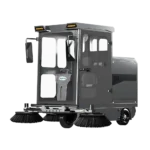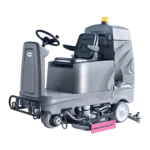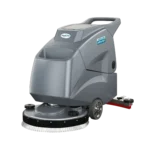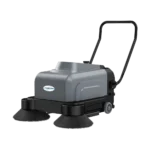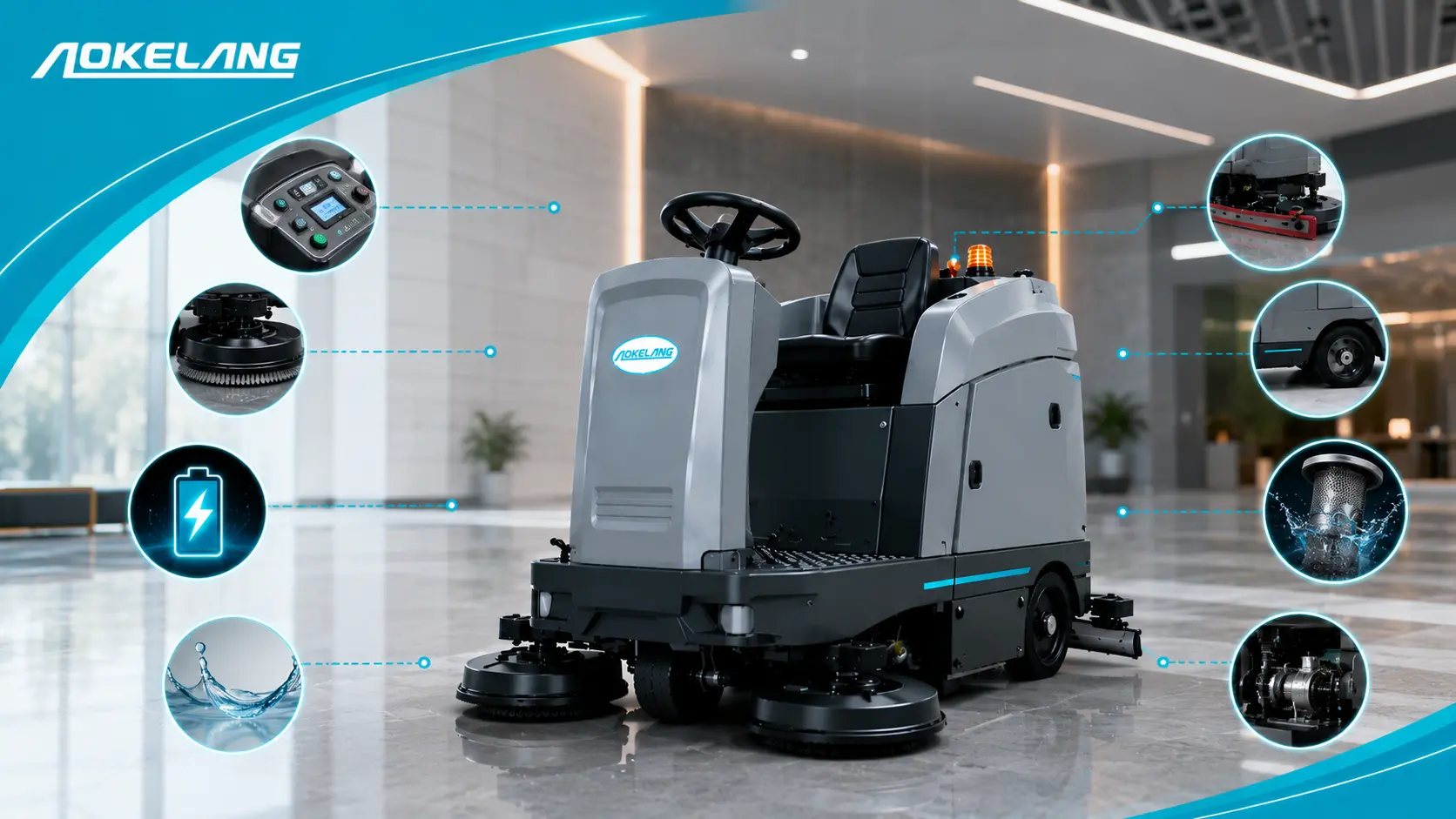
The difference between a machine that transforms your facility and one that sits unused comes down to eight specific features. Get them right and your floors stay clean, dry, and safe every shift. Get them wrong and you’ve bought an expensive problem. Here’s exactly what to look for before you spend a cent.
Table of Contents
What Makes a Floor Cleaning Machine “Professional”?
Features to look for in a professional floor cleaning machine, a commercial floor scrubber is a heavy-duty cleaning machine designed to remove dirt, debris, and grease from large floor areas and unlike traditional mops or sweepers, scrubbers use rotating brushes, water jets, and suction systems to clean more efficiently.
The word “professional” isn’t just marketing. It means the machine is built for daily use across large areas, with components rated for real operational demands not occasional residential cleaning. The top features to look for are: sufficient tank capacity for your facility size, the right brush type, reliable battery runtime, adjustable brush pressure, a high-quality squeegee system for water recovery, ease of maintenance, and the correct machine format walk-behind or ride-on matched to your floor area.
Each of these is covered in detail below.
Feature 1: Tank Capacity Matched to Your Cleaning Area
This is the single most misunderstood specification in floor scrubber buying. A machine with an undersized tank forces constant stops to refill or empty destroying any time-saving benefit the machine offers.
A 9.25-gallon tank is appropriate for facilities under 15,000 sq ft per shift. A 14.5-gallon tank handles 25,000–36,000 sq ft. A 33-gallon tank is purpose-built for facilities exceeding 50,000 sq ft where machine service stops cut significantly into cleaning time.
The general rule: aim for tank capacity that covers at least 80% of your typical cleaning area without interruption. A separate clean-water and dirty-water tank system is essential they must never mix, or you’re mopping with contaminated water, which defeats the purpose entirely.
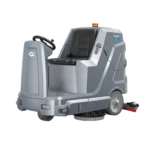
Aokelang’s range covers this well across both walk-behind and ride-on formats. The Aokelang D8 Commercial Ride-On Scrubber is built for high-capacity applications where large-tank performance matters most.
Feature 2: Brush Type Disc vs Cylindrical
Not all brushes clean the same surfaces the same way, and buying the wrong type is one of the most common mistakes facility managers make.
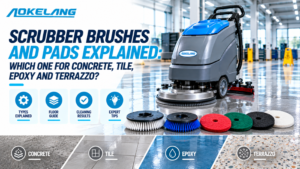
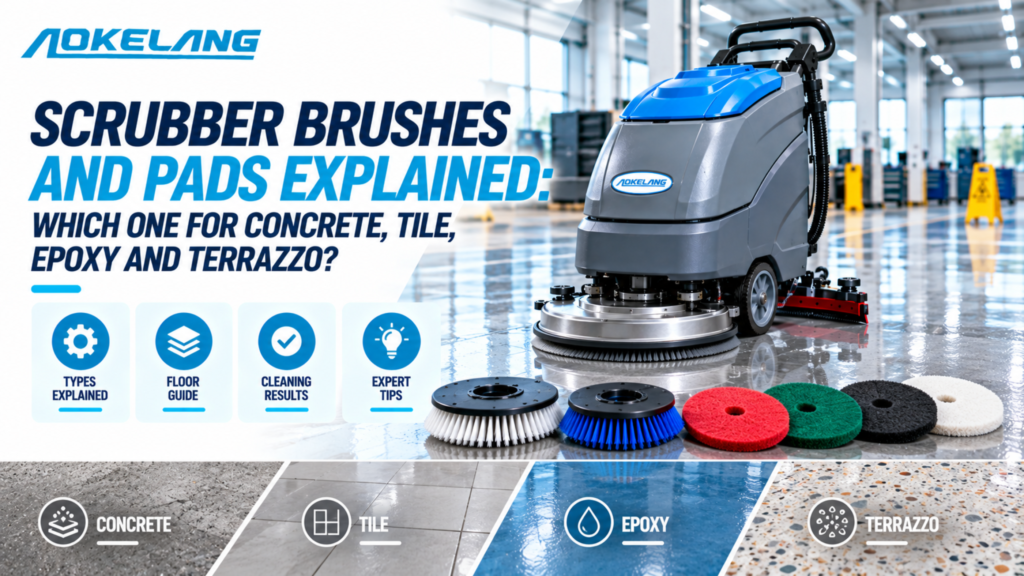
Disc brushes are common for routine hard-floor scrubbing. Cylindrical brushes can help with uneven surfaces and debris. Pads are useful for polishing, stripping, and lighter surface work and you must match the brush or pad to the floor, since polished concrete, VCT, tile, epoxy, and delicate finished floors may need different pad aggression.
A cylindrical brush deck also offers the advantage of picking up dry debris while scrubbing effectively combining sweeping and scrubbing in one pass. For facilities with mixed debris types, this is a significant operational advantage. If your facility has both smooth and textured zones, look for a machine with interchangeable brush decks. Aokelang’s floor scrubber machine range includes models across both brush configurations.
Feature 3: Battery Runtime and Power Source
Battery-powered machines especially lithium-ion are the correct choice for open floors, warehouse environments, and any facility where dragging a cord creates a trip hazard or slows production. For high-frequency, large-footprint applications, a lithium-ion battery floor scrubber with 4–5 hour runtime is the current industry standard.
Lead-acid vs lithium-ion matters more than most buyers realise. Lead-acid batteries cost $200–400 less upfront but need replacement every 2–3 years, while lithium systems last 5–7 years. Over a machine’s full lifespan, lithium typically costs less in total — and causes significantly less downtime.
For corded models, unlimited runtime is the advantage, but cord management across large floor areas is a real operational hazard. Corded makes sense only for small, well-defined spaces with easy power access.
Feature 4: Squeegee System and Water Recovery
The squeegee is how the machine leaves your floor dry. A poor squeegee means wet floors, slip risks, and cleaning that looks unfinished. This component deserves more attention than it usually gets in buying guides.
A wide squeegee provides efficient water pickup and drying across a wider path, reducing cleaning time and leaving floors dry faster. The squeegee should ideally be wider than the brush deck this ensures no wet strip is left at the edge of the cleaning path.
Check that squeegee blades are easy to replace. On a machine used daily, blades wear out and need swapping every few months. If replacement requires specialist tools or extended downtime, that’s a real operational cost. Aokelang’s machines are designed with accessible maintenance in mind the how to identify common issues in cleaning machines guide covers squeegee checks as part of routine upkeep.
Feature 5: Adjustable Brush Pressure
Brush pressure determines how aggressively the machine scrubs. Too light and it won’t remove embedded grime. Too heavy and it damages floor surfaces and accelerates brush wear.
A professional machine should offer adjustable brush pressure ideally with a preset range to suit different surfaces and soil levels. This is particularly important for facilities with multiple floor types across different zones. Fixed-pressure machines are a compromise that often performs poorly on at least one of the surfaces in a mixed facility.
Uneven brush wear indicates a pressure adjustment is needed which is why tracking brush wear as part of your regular maintenance routine is essential. See Aokelang’s resource on regular performance checks for a practical inspection schedule.
Feature 6: Walk-Behind vs Ride-On Getting the Format Right
Brand matters, but fit matters more. A good brand in the wrong size or machine type is still the wrong purchase.
The format decision comes down to floor area and operator workflow. Under 15,000 sq ft? Go with walk-behind models. Between 15,000–50,000 sq ft? A self-propelled walk-behind scrubber is ideal. Over 50,000 sq ft? You need a ride-on. Also factor in door widths and aisle dimensions the machine must fit through your narrowest passage.
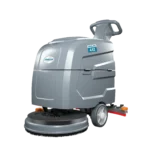
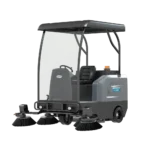
Walk-behind scrubbers offer superior manoeuvrability for tight spaces and are significantly lower in purchase cost. The Aokelang D4Z Battery Walk-Behind Scrubber and the Aokelang T3 Industrial Walk-Behind cover most mid-size commercial applications well. For large open areas, the Aokelang D7 Industrial Ride-On Scrubber and Aokelang X5 Automatic Ride-On eliminate operator fatigue across extended shifts.
Not sure which format suits your facility? Aokelang’s complete buying guide on how to choose a floor scrubber walks through every decision point in detail.
Feature 7: Ease of Maintenance
A machine that’s difficult to maintain won’t be maintained and an unmaintained scrubber performs worse than a mop within weeks. This is a feature that buyers consistently undervalue at the point of purchase and deeply regret afterward.
Look for machines where the recovery tank can be fully emptied and rinsed easily, where brush and squeegee replacement requires no specialist tools, and where access panels for internal components are straightforward to open. Key daily maintenance points are: emptying and rinsing the recovery tank to prevent odours and bacterial growth, cleaning squeegee blades to ensure proper water pickup, and checking brush wear since uneven wear indicates pressure adjustment is needed and most basic maintenance takes under 10 minutes.
Aokelang machines are built with accessible maintenance as a core design principle. The full range of commercial floor cleaning machines includes clear maintenance documentation for each model.
Feature 8: Chemical Compatibility and Detergent Dosing
This feature matters most for regulated environments like hospitals, food production, and healthcare facilities but it applies to any professional setting. The machine must be able to run the cleaning chemicals your facility requires without degrading seals, tanks, or internal components.
Use low-foam, neutral pH detergents specifically designed for floor scrubbers. Avoid household cleaners they create excess foam that can damage the vacuum motor. The best machines offer automatic or adjustable detergent dosing, which prevents over-use of chemicals (a significant running cost) and ensures consistent cleaning results across shifts regardless of which operator is running the machine.
Feature Comparison: What to Prioritise by Facility Type
| Facility Type | Most Critical Feature | Recommended Format |
| Hospital / Healthcare | Low noise, battery operation, chemical compatibility | Compact walk-behind |
| Warehouse / Logistics | Tank capacity, runtime, ride-on productivity | Ride-on scrubber |
| Retail / Shopping Centre | Manoeuvrability, quiet operation, fast drying | Walk-behind |
| Industrial / Manufacturing | Brush pressure, cylindrical brush, robust build | Industrial walk-behind or ride-on |
| Schools / Offices | Ease of use, low training burden, compact storage | Walk-behind |
For detailed coverage of benefits across all machine types, Aokelang’s resource library covers both scrubbers and sweepers across facility types.
Do You Need a Scrubber, a Sweeper, or Both?
If your floor has a heavy layer of loose dust or debris, sweeping first or using a dedicated sweeper can improve scrubber performance and help reduce brush wear.
Many facilities need both. A sweeper clears dry debris like dust, grit, and packaging waste. A scrubber then deep-cleans and dries the hard floor surface. Running a scrubber over debris-heavy floors shortens brush life and reduces cleaning effectiveness the two machines work better together than either does alone.
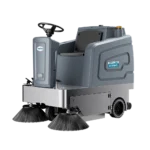
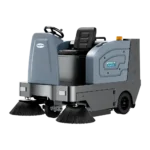
Aokelang’s full floor sweeper machine range is designed to complement their scrubber lineup for facilities with both requirements.
External references: ISSA — The Worldwide Cleaning Industry Association | OSHA Guidelines on Workplace Housekeeping and Slip Prevention
Frequently Asked Questions
How do I know what tank size I need for my facility?
Calculate your approximate floor area per cleaning shift, then choose a tank that covers at least 80% of that area without stopping. As a practical guide, a 9.25-gallon tank suits facilities under 15,000 sq ft, while 14.5 gallons handles 25,000–36,000 sq ft per shift.
Is a lithium-ion battery worth the extra cost over lead-acid?
For daily commercial use, almost always yes. The longer lifespan (5–7 years vs 2–3 years for lead-acid), reduced charging downtime, and better runtime stability over the battery’s life typically deliver a lower total cost of ownership across the machine’s life, despite the higher upfront price.
What’s the difference between a disc brush and a cylindrical brush?
Disc brushes work well for routine hard-floor scrubbing, while cylindrical brushes handle uneven surfaces and can collect debris while scrubbing. If your facility has textured floors or loose debris, a cylindrical brush deck is the stronger choice.
How long does a professional floor scrubber last?
Quality machines last 7–10 years with proper maintenance. Brushes, pads, and squeegees are consumables replaced every 3–6 months, depending on use. The biggest predictor of machine lifespan is whether the recovery tank is emptied and rinsed after every use.
Can one machine handle multiple floor types in the same facility?
Yes, if it has adjustable brush pressure and supports interchangeable pads or brush decks. A fixed-configuration machine will always be a compromise across mixed surfaces. Look for adjustability as a standard specification, not an optional extra.