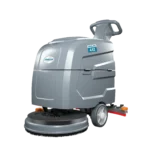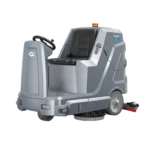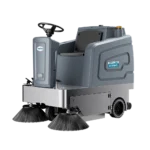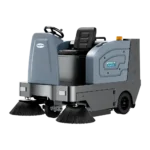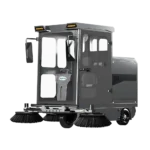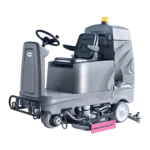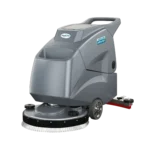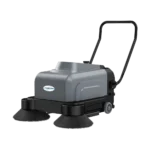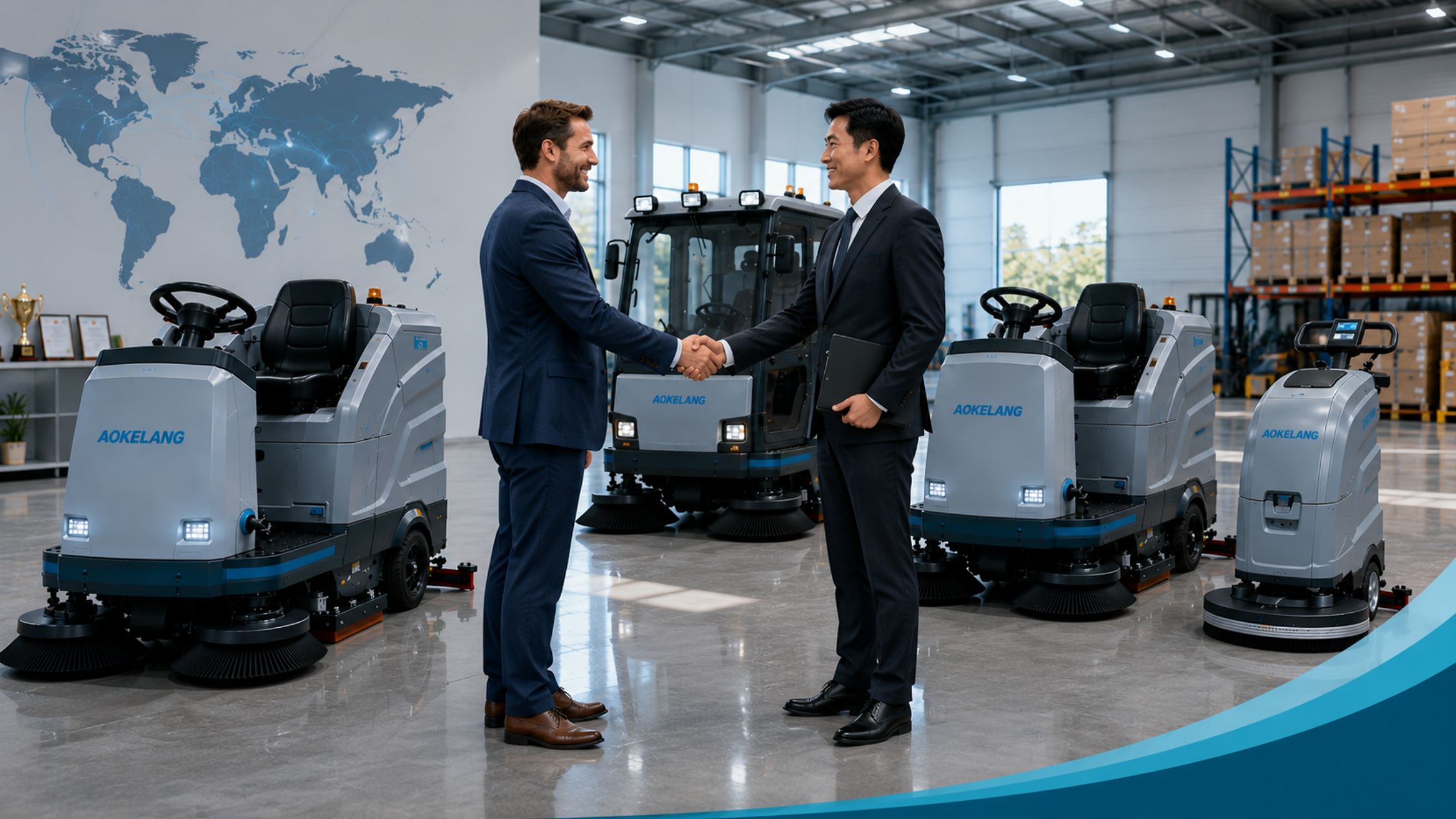
How to Become a Floor Scrubber Distributor or Reseller: Becoming a floor scrubber distributor or reseller means registering a business and getting the required resale/tax permits, partnering with a manufacturer for wholesale or factory-direct pricing, building enough technical product knowledge to recommend the right machine for a customer’s floor and facility, and setting up sales, demo, and after-sales service capability.
This guide walks through each step, the licensing requirements involved, how to evaluate a manufacturer partner, and typical margins and startup costs in this niche.
Table of Contents
What Does a Floor Scrubber Distributor or Reseller Do?
A distributor buys floor scrubbers and sweepers from a manufacturer at wholesale pricing, then resells them to end customers such as facility managers, cleaning contractors, and property management companies, often adding services the manufacturer doesn’t provide directly — local demos, delivery, parts stock, and repair support. A reseller operates similarly but may work at smaller volume, sometimes without holding inventory, by ordering machines against confirmed customer orders.
Both roles sit between the manufacturer and the end user, and the value they add is largely about proximity: local stock, faster response times, in-person demonstrations, and ongoing service relationships that a manufacturer selling only online or through a call center typically can’t match.
What Are the Steps to Become a Floor Scrubber Distributor?
- Register your business and secure a reseller permit. Most locations require a general business license plus a reseller or resale certificate, which lets you purchase inventory from a manufacturer without paying sales tax upfront, since tax is collected from the end customer instead.
- Choose your target industries and niche. Floor cleaning equipment spans very different buyer needs — food and beverage facilities prioritize hygiene and compliance, manufacturing plants prioritize oil and grease removal, and warehousing/logistics prioritizes large-area coverage. Picking a niche focus helps you build deeper expertise than a generalist competitor.
- Partner with a manufacturer for wholesale or dealer pricing. This is the step that determines your margin structure, so it’s worth evaluating multiple manufacturers on pricing tiers, minimum order quantities, payment terms, and whether they offer factory-direct pricing without a middle layer of dealer markup. See what to look for in a manufacturer partner below.
- Build technical product knowledge. Buyers expect a distributor to know the difference between machine types, brush motor power, tank capacity, and which floor coatings and debris types each model handles well — not just list prices. This is what separates a trusted advisor from an order-taker.
- Set up demo and after-sales service capability. Facility managers buying scrubbers and sweepers typically want to see a live demonstration on their own floor before committing, and they’ll ask about parts availability and repair turnaround before and after the sale.
- Build your sales and marketing presence. A product catalog, a website optimized for buyer search terms, and a presence at relevant trade shows or industry directories all help you get in front of facility managers and cleaning contractors who are actively comparing equipment.
What Legal and Licensing Requirements Apply?
Requirements vary by country and region, but commonly include:
- Business registration (commonly an LLC or equivalent local entity structure)
- A general business license
- A reseller or resale certificate/sales tax permit, which allows tax-free purchasing for resale
- General liability insurance, and commercial auto coverage if you handle delivery yourself
- Any local requirements specific to importing equipment, if you’re sourcing from an overseas manufacturer
Since requirements differ by jurisdiction, it’s worth confirming the specifics with your local business registration office or a legal advisor before finalizing your setup.
How Do You Choose the Right Manufacturer Partner?
The manufacturer you partner with determines your margin, your product range, and how competitive your pricing is against other resellers in your market. Key factors to compare:
- Factory-direct vs. traditional dealer network sourcing. Factory-direct manufacturers, like Aokelang, sell wholesale without a middle layer of regional distributor markup, which typically means better margin room for you as the reseller compared to sourcing through an existing multi-tier dealer network.
- Minimum order quantities and payment terms. Confirm what volume commitment is required to access wholesale pricing, and whether payment terms (deposit vs. net terms) fit your cash flow as a new distributor.
- Product range breadth. A manufacturer offering both floor scrubbers and floor sweepers across compact, walk-behind, and ride-on sizes lets you serve a wider range of customer facility sizes without needing multiple supplier relationships.
- Warranty and parts support. Ask specifically how warranty claims are handled and how quickly replacement parts (brushes, squeegees, batteries) can be sourced, since this directly affects your ability to support customers after the sale.
- Territory and exclusivity terms. Some manufacturers offer regional exclusivity to distributors who commit to a minimum volume; others operate open, non-exclusive wholesale arrangements. Clarify this before signing any agreement.
- Technical documentation and training support. A manufacturer that provides detailed specs, maintenance guides, and product training makes it easier for you to build the technical credibility buyers expect. See this maintenance guide and operating guide as examples of the kind of resource a manufacturer should be able to hand you.
What Margins and Startup Costs Should You Expect?
| Item | Typical Range | Notes |
| Distributor gross margin | Roughly 20–40% off MSRP | Varies by manufacturer, volume commitment, and whether you’re factory-direct or buying through an existing dealer tier |
| Initial inventory investment | $15,000 – $60,000+ | Depends on how many units and machine sizes you stock upfront versus order against confirmed sales |
| Total startup cost (registration, insurance, initial stock, basic marketing) | $25,000 – $100,000+ | Higher end applies if you’re also setting up warehouse space and a demo/service vehicle |
| Time to consistent profitability | Roughly 12–18 months | Depends on how quickly you build a repeat account base and secure favorable supplier terms |
Many new distributors reduce upfront capital risk by starting with a smaller stocked range (one or two best-selling walk-behind models) and ordering ride-on or specialty machines against confirmed customer orders rather than holding them in inventory from day one.
Which Industries Should Floor Cleaning Equipment Distributors Target?
Different end markets have different equipment needs and buying cycles, which makes them useful to consider when picking your initial niche:
- Warehousing and logistics: high-volume buyers of ride-on scrubbers and sweepers for large open floor areas
- Manufacturing and industrial facilities: buyers focused on oil/grease removal and heavy-duty durability
- Commercial buildings and offices: smaller, more frequent buyers of compact walk-behind machines
- Shopping malls and retail spaces: buyers prioritizing quiet operation and fast-drying floors
- Hospitals and healthcare facilities: buyers with strict hygiene and compliance requirements
- Airports and transportation hubs: large-scale buyers needing ride-on equipment with long runtime
Focusing your early sales efforts on one or two of these segments lets you build the specific technical knowledge and reference customers needed to expand into adjacent industries later.
Next Steps
If you’re evaluating a manufacturer partner for a floor scrubber or sweeper distribution business, review the full product range and sweeper lineup to see the breadth of models available, learn more about Aokelang as a factory-direct manufacturer, or contact the Aokelang team directly to discuss wholesale and distributor terms. You can also review technical resources and spec sheets to see the kind of documentation available to support your sales process.
Floor Scrubber Distributor FAQs
Do I need a warehouse to become a floor scrubber distributor?
Not necessarily at the start. Many new distributors use a smaller storage space or order specific machines against confirmed customer orders rather than holding a full inventory range from day one, expanding warehouse capacity as sales volume grows.
What margin can I expect as a floor scrubber distributor?
Margins commonly range from about 20% to 40% off manufacturer suggested retail price, depending on your volume commitment and whether you’re sourcing factory-direct or through an existing dealer tier.
Is it better to source from a factory-direct manufacturer or an established dealer network brand?
Factory-direct sourcing typically offers better margin room since there’s no additional distributor markup built into your cost, while established dealer-network brands may offer more built-in brand recognition. The right choice depends on your target market and how much margin you need to fund service and demo capability.
Do I need technical training to sell floor scrubbers and sweepers?
It’s not usually a legal requirement, but buyers expect a distributor to explain cleaning width, tank capacity, motor power, and floor compatibility accurately, so building this knowledge — ideally with training support from your manufacturer partner — is important for closing sales and retaining customers.