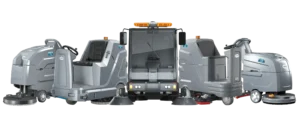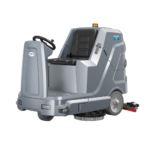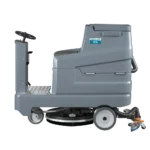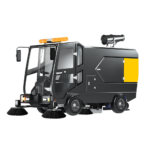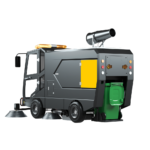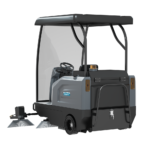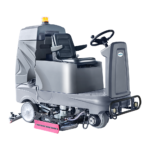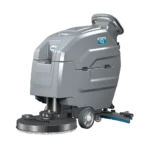
OEM and private label floor scrubber manufacturing lets a business sell floor scrubbers under its own brand by sourcing production from a manufacturer, rather than designing and building equipment in-house. Minimum order quantities commonly run 20–50 units depending on how much customization is involved; branding-only changes typically take 4–8 weeks to reach production, and deeper mechanical or electrical customization can take 3–6 months including tooling.
This guide explains the difference between OEM and ODM, what customization levels typically cost and take, and what to look for in a manufacturing partner and agreement.
Table of Contents
What’s the Difference Between OEM and ODM Floor Scrubber Manufacturing?
These terms get used loosely, but they describe two different arrangements:
- OEM (Original Equipment Manufacturing): The buyer provides the design and specifications, and the manufacturer produces the equipment to those requirements. The buyer typically retains intellectual property ownership over any custom design elements.
- ODM (Original Design Manufacturing): The manufacturer already has a proven product design and handles both design and manufacturing; the buyer applies their own branding to an existing platform. This is what’s usually meant by “private label” in the floor scrubber industry — you’re not designing a new machine, you’re rebranding one that already works.
For most businesses entering this market, ODM/private label is the faster, lower-risk path, since it uses a platform the manufacturer has already validated rather than requiring new engineering from scratch.
What Customization Options Are Available?
Customization for private label floor scrubbers generally falls into three tiers, each with different cost, MOQ, and timeline implications:
1. Branding-Only Customization
This covers your company’s logo, color scheme, nameplate, and packaging applied to an existing, already-proven machine platform. It’s the fastest and lowest-commitment option, with production typically starting within 4–8 weeks of order confirmation and no tooling or engineering costs involved.
2. Component-Level Customization
This includes choices like battery type (lead-acid vs. lithium), tank size, brush configuration, or control panel layout, adjustments within the manufacturer’s existing platform rather than a from-scratch redesign. Sample production for this tier commonly takes about 20–30 days, with mass production following in another 30–50 days once the sample is approved.
3. Deep Mechanical or Electrical Customization
This covers structural changes, a different chassis size, a specialized motor, or environment-specific engineering, such as a heat-resistant build rated for continuous operation in high-temperature environments. This tier requires a genuine development and tooling phase, commonly 3–6 months before mass production begins, and typically carries the highest MOQ and any applicable non-recurring engineering (NRE) or mold costs.
Also read – Questions to Ask a Floor Scrubber Manufacturer Before You Buy
What Are Typical MOQs and Lead Times?
| Customization Tier | Typical MOQ | Typical Timeline | Added Cost |
| Branding-only | 20–30 units | 4–8 weeks | Minimal to none |
| Component-level | 20–50 units | ~20–30 days sample + 30–50 days mass production | Moderate, depending on components selected |
| Deep engineering customization | 50–100+ units | 3–6 months (development + tooling) | NRE/tooling fees, commonly $5,000–$50,000 depending on complexity |
MOQs can also be adjusted based on customization complexity, some manufacturers will negotiate a lower MOQ for a longer-term commitment or a higher MOQ for a one-time custom run.
What Costs Should You Expect Beyond Unit Price?
- Non-recurring engineering (NRE) and tooling fees. Custom molds or significant mechanical changes usually carry a separate one-time development cost on top of per-unit pricing.
- Volume price breaks. It’s common for per-unit cost to drop by roughly 15–20% at order quantities of 50+ units compared to minimum-order pricing, so it’s worth modeling your total cost at a few different volume tiers before committing.
- Deposit and payment terms. A deposit of around 30% at order confirmation, with the balance due before shipment, is a common structure, confirm this alongside shipping terms (FOB or EXW) so you know exactly when cost and risk transfer to you.
- Warranty obligations you’re taking on. As the private label brand, you’re typically the one fielding your customers’ warranty claims, so confirm what warranty period the manufacturer backs you with, 12 months is a common baseline, though some manufacturers offer longer terms.
What Should an OEM/ODM Manufacturing Agreement Cover?
Before placing a production order, a manufacturing agreement should clearly define:
- Intellectual property ownership — who owns any new design elements created during customization, especially for deep engineering changes
- Minimum order quantities and reorder terms — including whether MOQ changes at different customization levels
- Per-unit pricing tiers — the price breaks at different volume levels
- Quality control standards and inspection procedures — how defects are identified and handled before shipment
- Warranty terms and after-sales support responsibilities — specifically who handles end-customer warranty claims and parts supply
- Territory or exclusivity terms, if applicable — whether the manufacturer will also sell to other private label partners in your target market
What Margins Can Private Label Distributors Expect?
Factory-direct OEM and private label programs commonly advertise margins in the 30–40%+ range for distributors, since there’s no existing brand markup built into the wholesale price, you’re paying closer to true manufacturing cost and applying your own margin on top when you resell. This compares favorably to reselling an established brand’s pre-branded equipment, where the manufacturer’s own brand value is already priced in and your margin is typically thinner. The tradeoff is that you take on the marketing and brand-building work yourself, rather than benefiting from existing brand recognition.
How Do You Choose an OEM/ODM Manufacturing Partner?
- Look for a proven, already-selling product line. Private labeling an existing platform with a track record reduces your risk compared to a manufacturer proposing a from-scratch design.
- Confirm the floor surface and application range covered. Make sure the base platform is rated for the surfaces concrete, epoxy, tile, and similar that your target customers actually clean.
- Ask about documented quality control procedures. A manufacturer that can describe a specific inspection process before shipment is a better sign than one that only describes finished-product specs.
- Verify export experience and compliance certifications relevant to your target market, especially if you’re importing across borders.
- Evaluate sample production turnaround and communication. How a manufacturer handles your sample order timeline, responsiveness, willingness to make adjustments, is a strong predictor of how mass production and after-sales communication will go.
- Confirm parts and after-sales support for your branded units, not just the manufacturer’s own branded line, since your customers will expect support under your brand name.
Must read – Floor Cleaning Equipment for Airports
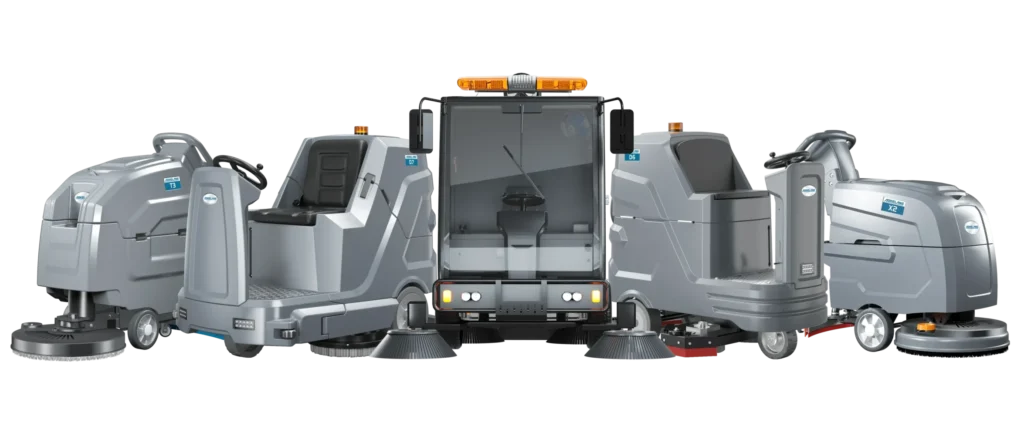
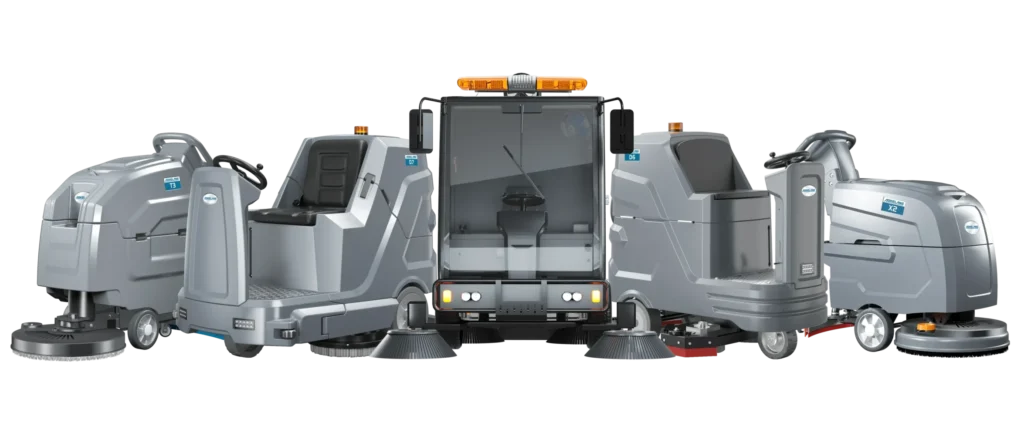
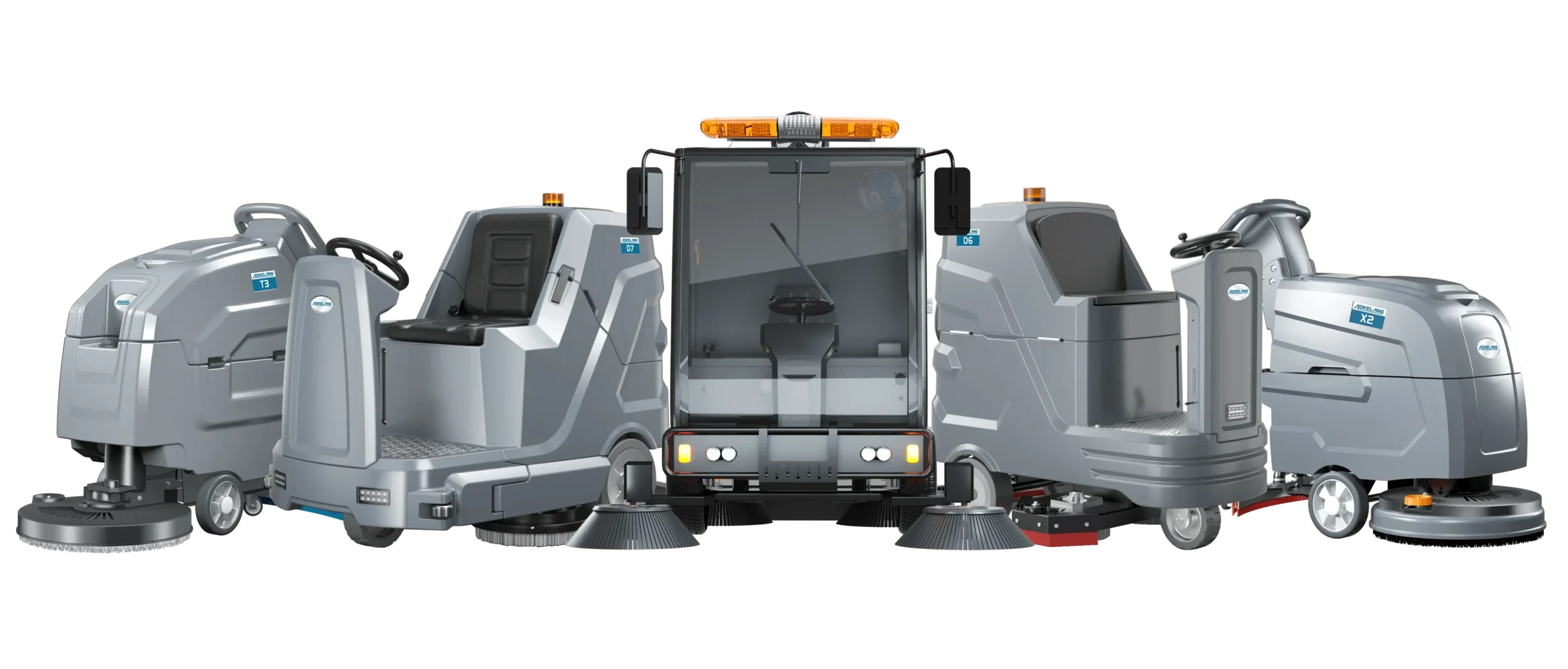
Aokelang manufactures its own floor scrubber and floor sweeper range factory-direct, which is the kind of proven platform base that OEM and private label partners typically look to build from rather than starting a new design from scratch. Learn more about Aokelang as a manufacturer, or see how the same factory-direct model applies to standard reselling in How to Become a Floor Scrubber Distributor or Reseller.
OEM and Private Label Floor Scrubber FAQs
What’s the difference between OEM and private label?
Private label” is often used interchangeably with ODM in this industry — applying your own brand to a manufacturer’s existing, already-designed product. True OEM more specifically refers to the buyer providing the design and the manufacturer producing to those specifications.
What’s the minimum order quantity for a private label floor scrubber?
This varies by customization level, but 20–30 units is a common minimum for branding-only customization, while component-level or deep engineering customization may require a similar or higher MOQ depending on complexity.
How long does it take to launch a private label floor scrubber line?
Branding-only customization can reach production in as little as 4–8 weeks. Component-level customization typically adds a 20–30 day sample phase before a 30–50 day mass production run. Deep engineering customization can take 3–6 months, including tooling and development.
Do I need to design my own scrubber to go the private label route?
No, that’s the core advantage of ODM/private label sourcing. You’re applying your brand to a manufacturer’s existing, already-validated product rather than funding new product design and engineering.