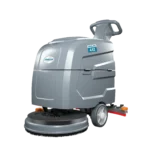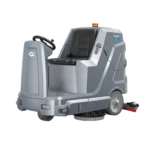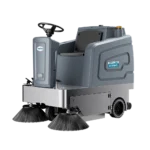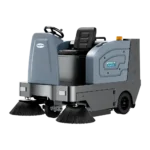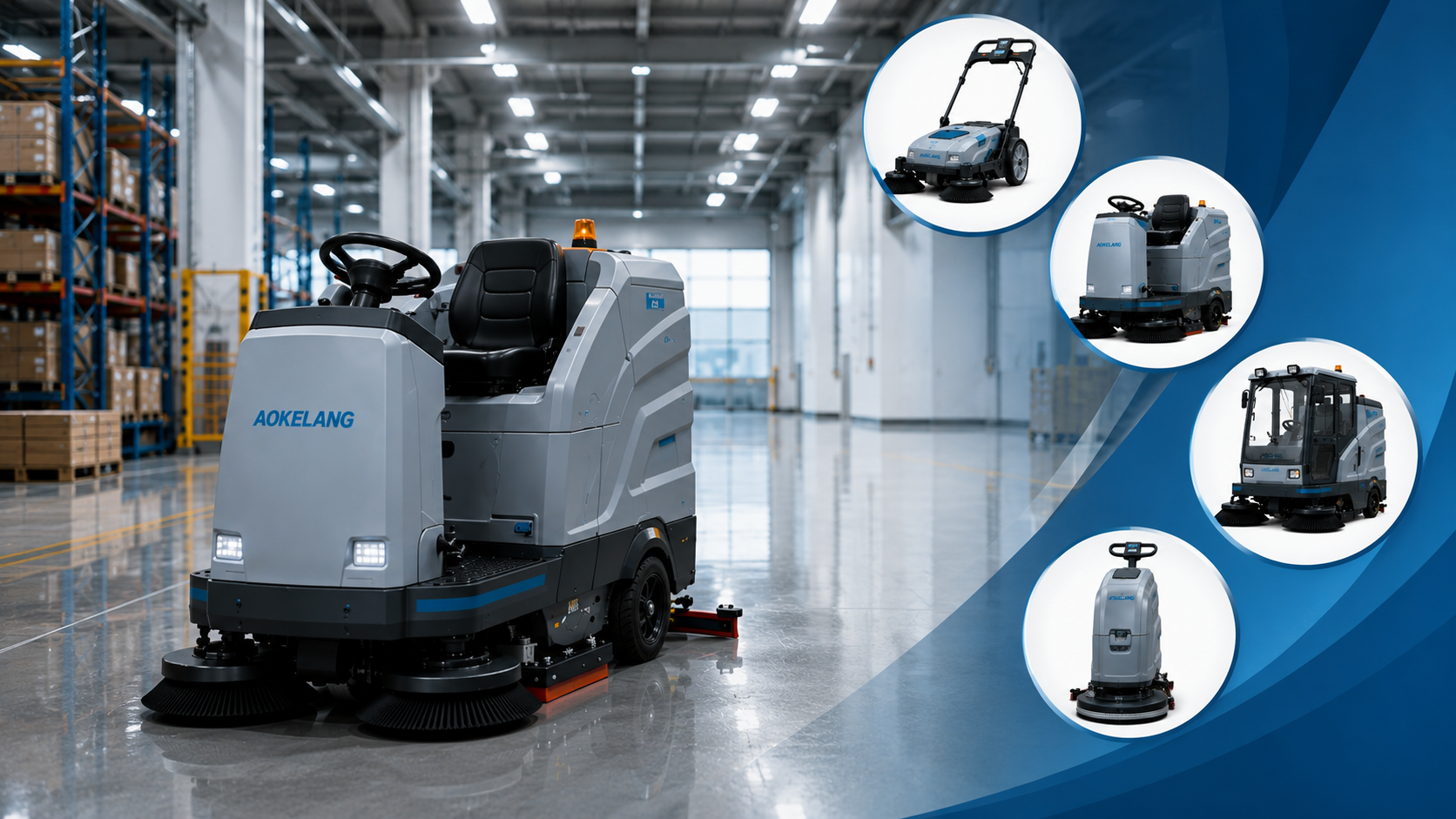
In 2026, a new commercial floor scrubber costs anywhere from $1,399 for a compact corded unit to over $60,000 for a heavy-duty autonomous robotic machine. The actual price depends heavily on the machine’s size, drive mechanism, and whether you buy factory-direct or through a traditional dealer network.
Table of Contents
What Are the Average Price Ranges by Machine Type?
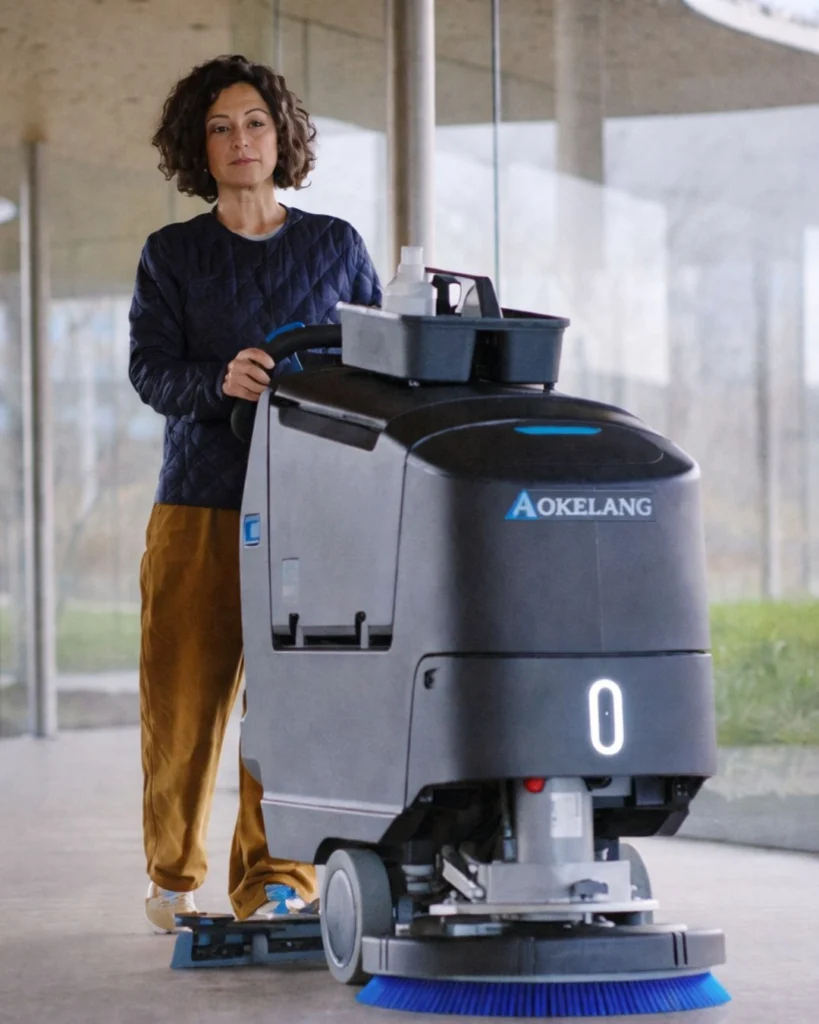
Commercial floor scrubbers are categorized by how they’re controlled and propelled, and price scales accordingly:
| Equipment Category | Average Price Range | Ideal Facility Application |
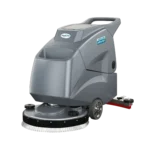
| Compact / Corded Walk-Behind | $1,399 – $1,999 | Small retail shops, tight hallways, offices |
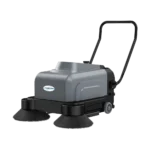
| Standard Walk-Behind (Push) | $1,999 – $2,499 | Mid-sized properties, school classrooms, standard rooms |
| Self-Propelled Walk-Behind | $2,899 – $10,000+ | Long warehouse aisles, ramps, spaces up to 40,000 sq ft |
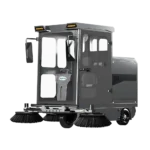
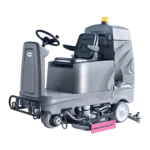
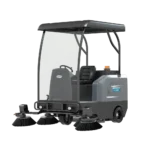
| Ride-On Models | $3,199 – $40,000+ | Large distribution centers, airports, malls |
| Autonomous / Robotic Scrubbers | $15,000 – $60,000+ | Large-scale facilities with high labor costs |
Factory-Direct vs. Premium Dealer Brands: What’s the Difference in Price?
The industrial cleaning equipment market runs on two distinct pricing structures, and understanding which one you’re buying into explains most of the price spread within each category above.
- Factory-direct value brands ($1,399 – $4,699): E-commerce and manufacturer-direct companies offer equipment online at a significant discount versus dealer-network pricing, since there’s no local distributor markup or service contract bundled into the price. A heavy-duty 34-inch ride-on machine in this segment can run around $4,699, while smaller self-propelled units land closer to $2,899.
- Premium enterprise brands ($6,000 – $25,000+): National brands distributed through local dealer networks price in the cost of professional service contracts, built-in eco-chemical systems, and local mechanic support. A specialized walk-behind from this tier can run $10,400 to $13,600, and large industrial ride-ons routinely exceed $20,000.
As a factory-direct manufacturer, Aokelang sells directly rather than through a dealer markup — for example, the Aokelang D2 walk-behind floor scrubber is built for the same small-to-medium space segment as compact corded units, while the Aokelang D6 ride-on floor scrubber competes in the ride-on segment without dealer-network pricing layered on top. See the full floor scrubber range to compare factory-direct pricing against your facility’s needs.
What Factors Affect Commercial Floor Scrubber Cost?
- Cleaning width (deck size): Entry-level machines have a 13–17 inch cleaning path, while industrial-scale models span 22–40+ inches. Wider decks dramatically increase productivity but also raise the retail price. For comparison, the compact Aokelang D2 has a 350 mm (roughly 14-inch) path, while the Aokelang D6 ride-on has a 760 mm (roughly 30-inch) path.
- Battery chemistry: Lithium-ion setups allow faster charging (often around 3.5 hours) and a longer operational lifespan, but add a price premium over heavier, slower-charging lead-acid or AGM batteries. See this lead-acid vs. lithium comparison for the full cost tradeoff.
- Solution tank volume: Larger tanks, for example, the roughly 68-gallon (260L) tanks found on large ride-on units, let operators clean for hours without stopping to dump and refill, which commands a design premium. Aokelang’s own ride-on D6 carries a 90-liter clean water tank and 100-liter recovery tank as a mid-range comparison point.
- Drive mechanism: Corded and push models cost less than self-propelled or traction-drive machines, since self-propulsion requires an additional drive motor and more complex controls.
Also read – Best Floor Scrubbers for Factories and Industrial Plants
What Is the ROI on a Commercial Floor Scrubber?
Upfront costs can look intimidating, but a mechanical scrubber generally cleans floors about 75% faster than a manual mop and bucket. In a typical 10,000 sq ft warehouse, using a basic 20-inch walk-behind scrubber instead of a mop saves roughly $33 in labor cost per cleaning cycle. For most property managers, that translates into full machine payback within 6 to 12 months, depending on cleaning frequency and local labor rates. For a deeper breakdown of labor savings at scale, see Manual vs. Mechanized Floor Cleaning: When Is It Worth Upgrading?
Which Scrubber Type Fits Your Budget and Facility?
| If your facility is… | Consider this category | Approximate Price Range |
| A small shop, office, or tight hallway | Compact / corded walk-behind | $1,399 – $1,999 |
| A mid-sized property with standard rooms | Standard push walk-behind | $1,999 – $2,499 |
| A warehouse with long aisles or ramps up to 40,000 sq ft | Self-propelled walk-behind | $2,899 – $10,000+ |
| A large distribution center, airport, or mall | Ride-on model | $3,199 – $40,000+ |
| A large facility with high ongoing labor costs | Autonomous / robotic scrubber | $15,000 – $60,000+ |
How Do You Choose the Right Scrubber for Your Budget?
- Calculate your facility’s square footage and cleaning frequency. Larger, more frequently cleaned spaces justify a higher upfront cost because the labor savings compound faster.
- Identify your floor type. Polished concrete, epoxy, and tile each have different brush and pad compatibility requirements, which can affect which models are suitable regardless of budget.
- Decide between tight corridors and open floor plans. Narrow hallways call for a compact walk-behind width (14–20 inches), while open warehouse or terminal floors justify a wider deck (22 inches or more) even at a higher price point.
- Compare factory-direct pricing against dealer-network pricing. If you don’t need a bundled local service contract, factory-direct purchasing can meaningfully lower the total cost for the same specification tier.
- Run the payback math before deciding. Compare your current labor cost per cleaning cycle against the machine’s price and expected lifespan (commonly 7–10 years with proper maintenance) to see how quickly it pays for itself. See this maintenance guide for what ongoing upkeep costs typically look like.
Checkout the - compact walk behind floor scrubberCommercial Floor Scrubber Cost FAQs
What’s the cheapest commercial floor scrubber available in 2026?
Compact corded walk-behind units are the least expensive category, typically priced between $1,399 and $1,999, suited to small retail shops, offices, and tight hallways rather than large open floor areas.
Why do ride-on scrubbers cost so much more than walk-behind models?
Ride-on scrubbers add a seat, drive system, wider cleaning deck, and larger solution tanks, all of which increase manufacturing cost, but they also cover far more floor area per hour, which is what typically justifies the price for large facilities.
Is it cheaper to buy factory-direct or through a dealer?
Factory-direct purchasing is generally cheaper for the same specification tier, since dealer-network pricing includes the cost of local service contracts and distributor markup. The tradeoff is that dealer networks may offer more localized in-person service and maintenance support.
How long does it take for a floor scrubber to pay for itself?
Based on typical labor savings of about 75% faster cleaning compared to manual mopping, most facilities see full payback within 6 to 12 months, though this varies with facility size, cleaning frequency, and local labor rates.